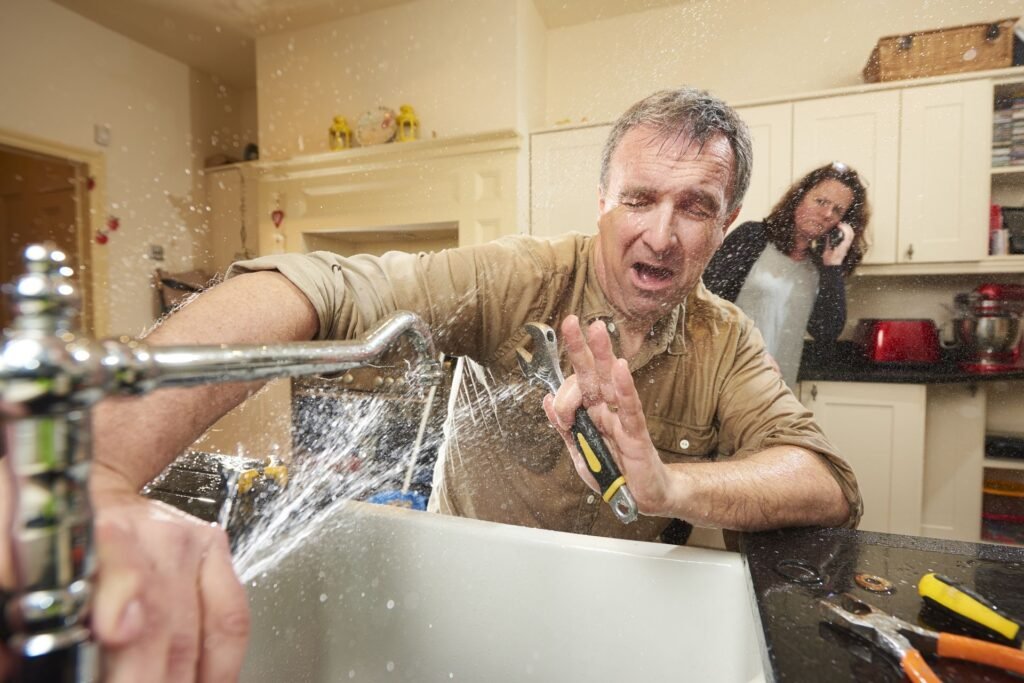
A leaking pipe above a restaurant ceiling, a toilet that will not flush in a school, or a blocked kitchen drain during a busy lunch service can quickly become more than a plumbing issue. It can interrupt trading, create hygiene concerns and damage the property. Commercial plumbing technology gives businesses earlier warning of developing faults, helping managers act before a small problem becomes an expensive closure.
For commercial premises, the most useful technology is not always the newest or most complicated system. It is the equipment and monitoring that suits the building, the water use and the level of risk. A small office has different needs from a hotel, café, shop or managed block of flats. The aim is straightforward: identify problems early, reduce disruption and make repairs easier to plan.
Why plumbing faults cause bigger problems in commercial buildings
Commercial properties usually place greater demand on their plumbing than a typical home. Toilets may be used by staff and visitors throughout the day. Kitchens, washrooms, cleaning areas and staff facilities can all rely on the same pipework. In food premises, a drainage issue can affect hygiene standards and prevent normal service.
The cost is not limited to the repair itself. A hidden leak can damage ceilings, stock, flooring or electrical fittings. A blocked toilet can cause complaints from customers or tenants. For landlords and letting agents, a repeated fault can lead to urgent calls, unhappy occupants and avoidable property damage.
That is why a practical maintenance approach matters. Technology can provide useful information, but it works best alongside regular inspection and prompt repairs by an experienced plumber.
Commercial plumbing technology worth considering
Leak detection and water monitoring
Smart water monitors are fitted to track water use through a property. Some can alert the owner or manager when they detect an unusual flow pattern, such as water running continuously overnight or a sudden increase in consumption. This can point to a leaking pipe, faulty toilet cistern, dripping tap or appliance connection problem.
In the right building, automatic shut-off valves can take this further. When a major leak is detected, the valve can close the water supply to limit damage. This is particularly useful for empty premises, holiday periods, storage areas and sites where a leak might otherwise run unnoticed for hours.
There is a trade-off. An automatic shut-off system needs to be specified properly. If it is too sensitive, it may interrupt legitimate water use. If it is installed without considering separate zones, shutting off the entire building could create unnecessary disruption. A plumber can advise whether whole-building protection or local monitoring around higher-risk areas is the better option.
CCTV drain surveys
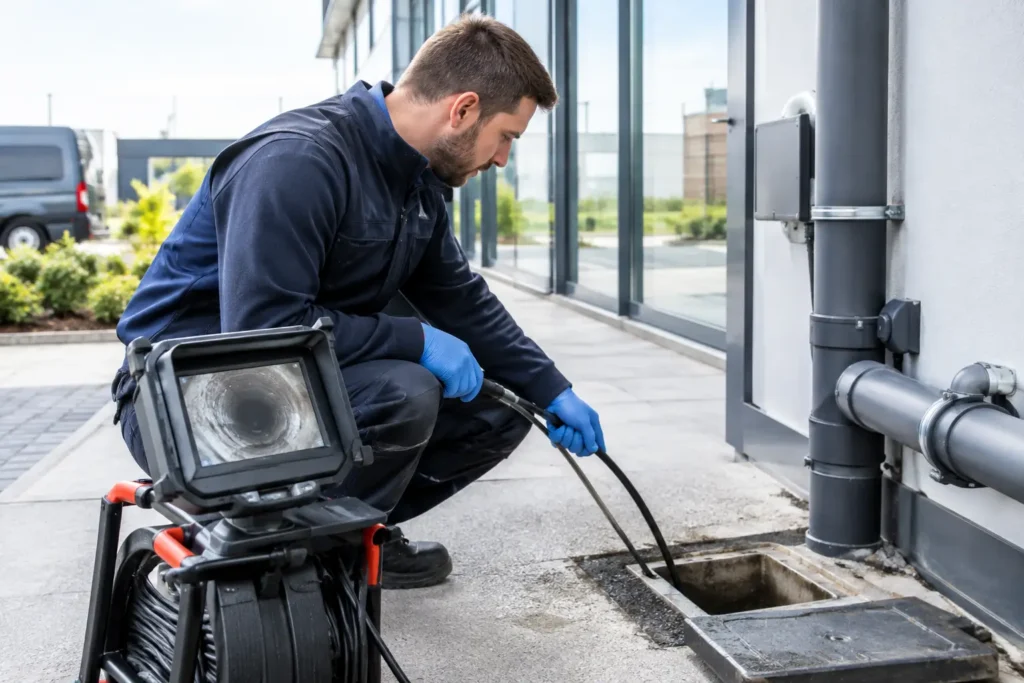
Drainage problems are often hidden below floors, behind walls or outside the building. Rather than guessing where a blockage, crack or root intrusion may be, a CCTV drain survey uses a camera to inspect the pipe internally.
This technology is especially helpful where blockages keep returning. In a café or takeaway, grease and food waste may be causing a recurring restriction. In older commercial premises, damaged pipework, poor joints or displaced sections may be the real cause. A camera survey helps identify the issue so work can focus on a proper repair rather than repeated temporary unblocking.
CCTV is not necessary for every slow-running sink or isolated blockage. Straightforward blockages can often be cleared quickly using the appropriate drain cleaning equipment. But if the problem returns, causes foul smells or affects more than one outlet, investigating the pipework can save money and disruption over time.
Pressure testing and thermal imaging
Pressure testing can help locate pipework faults where the signs are not obvious. If a system cannot hold pressure as it should, there may be a leak somewhere within the supply pipework. Thermal imaging can also help identify unusual temperature patterns behind surfaces, making damp areas or leaks easier to investigate with less unnecessary damage to walls or floors.
These methods are useful when water staining appears, a floor becomes damp, or water bills rise without a clear explanation. They do not remove the need for careful on-site assessment, but they can reduce the amount of exploratory work required and support a more targeted repair.
Sensor-operated taps and flush controls
Touch-free taps and flush controls can be valuable in busy washrooms, schools, hospitality venues and public-facing premises. They can improve hygiene by reducing contact with handles and can help control water use when set up correctly.
However, they are not maintenance-free. Sensors need suitable power arrangements, regular cleaning and occasional adjustment. A poorly fitted unit can fail to activate reliably or continue running when it should stop. Choosing durable fittings and ensuring they are installed correctly matters more than choosing the most feature-heavy product.
For many sites, timed taps, reliable dual-flush toilets and good-quality conventional fittings may offer the best balance of cost, ease of repair and water efficiency. The right choice depends on who uses the facilities and how heavily they are used.
Technology should support planned maintenance
No sensor can clear a blocked drain or repair a damaged pipe on its own. The real value of commercial plumbing technology is that it makes maintenance more proactive. Instead of waiting for a ceiling to stain or a washroom to close, property managers can respond to warning signs earlier.
A sensible plan might include monitoring higher-risk areas, checking exposed pipework and valves, maintaining toilets and taps before faults worsen, and arranging drainage work where recurring slow drainage is affecting the property. Hotels, restaurants and care settings may need closer attention because plumbing failures can have an immediate effect on guests, customers and daily operations.
For landlords and managing agents, keeping a record of recurring issues is also useful. If several tenants report low pressure, unpleasant odours or overflowing drains, the underlying cause may be shared pipework rather than separate faults inside each unit. Identifying that pattern early allows for a more effective repair.
Choosing the right approach for your premises
Before investing in monitoring equipment or upgraded fittings, consider where a plumbing fault would cause the most damage. A high-value stock room beneath pipework, a customer washroom, a commercial kitchen and a vacant unit are all areas where early warning may be worthwhile.
It is also worth considering how quickly someone can access the premises. A leak detector is particularly useful where a building is unoccupied overnight or at weekends. In a staffed premises where problems are likely to be noticed quickly, regular checks and responsive repair support may be more valuable than a complex monitoring system.
The best solution is often a combination of dependable plumbing work, suitable drainage maintenance and technology where it genuinely reduces risk. Clear advice is important here. Businesses should not be pushed into equipment they do not need, but neither should they ignore warning signs that could lead to water damage, lost trade or an emergency callout.
If your business premises has a recurring leak, blocked drain, unreliable toilet or signs of hidden water damage, dealing with it early can protect your property and keep your day running normally. For practical advice, prompt repairs and tidy commercial plumbing support across Hull and the surrounding area, call HJZ Plumbing on 01482 236483.