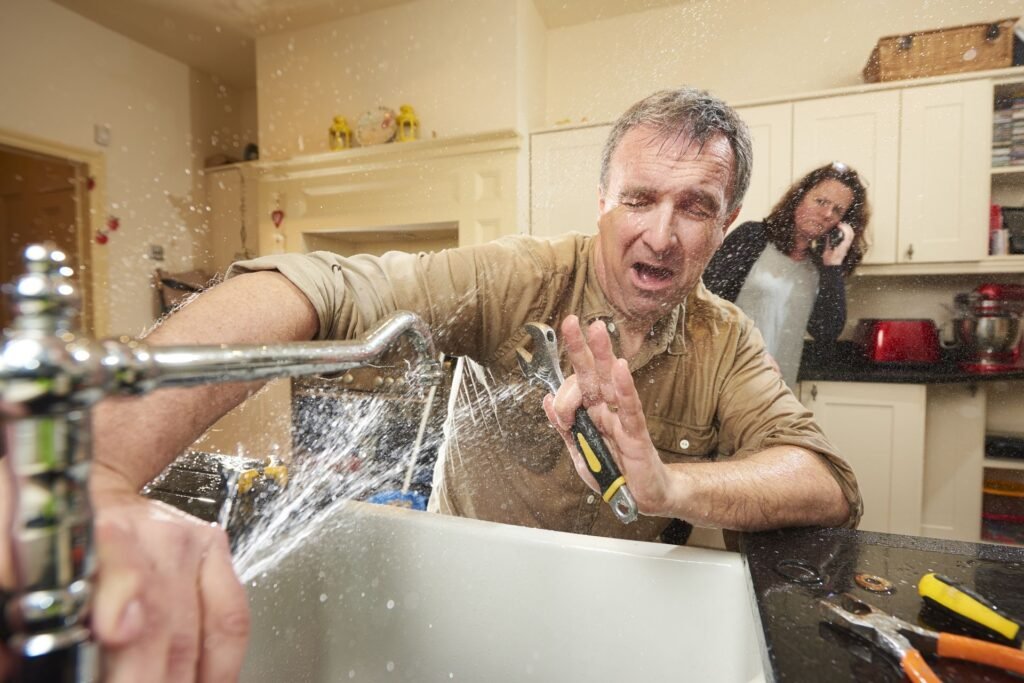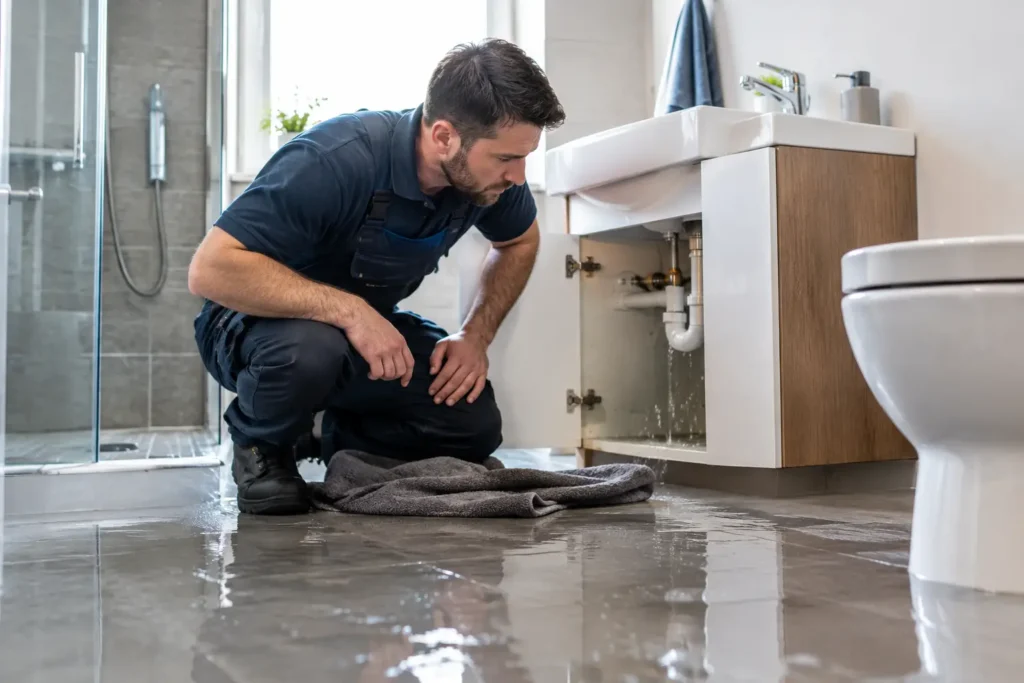
A hotel bathroom flood example often starts with something that appears minor: a toilet that will not stop filling, a shower tray draining slowly, or water escaping from beneath a basin. Within minutes, water can reach the bedroom, the corridor or the ceiling below. For a hotel, that means more than a plumbing repair. It can mean distressed guests, unavailable rooms, damaged finishes and a difficult day for staff.
The priority is to make the area safe, stop further water entering the room and get a clear view of the cause. A quick, practical response can be the difference between replacing a small section of flooring and dealing with extensive water damage across several rooms.
A hotel bathroom flood example in practice
Consider a typical early-morning scenario. A guest reports that the bathroom floor is wet and water is flowing towards the door. A member of staff finds that the toilet cistern is continually filling and overflowing into the pan because the flush valve has failed. At the same time, the waste pipe is partly blocked, so the pan cannot clear water quickly enough.
The first member of staff closes the local isolation valve if it is accessible and safe to do so. The room is taken out of service, the guest is moved, and towels are used to limit the spread while a plumber is called. The immediate visible problem may be water around the toilet, but the plumber also needs to check whether water has travelled beneath vinyl flooring, into wall cavities or through the ceiling of the room below.
Once the supply is isolated, the repair is not always simply a replacement toilet part. The blockage must be cleared, the cistern tested, pipework checked for leaks and the floor assessed for trapped moisture. If the source is fixed but the water damage is ignored, odours, staining, damaged flooring and mould can become the next problem.
This is why hotel bathroom flooding needs a measured response rather than a quick clean-up alone.
What staff should do first
Every hotel should have a simple procedure for plumbing emergencies, especially where there are multiple bathrooms, occupied rooms and floors above public areas. Staff do not need to diagnose the fault, but they do need to know how to reduce risk before help arrives.
First, prevent people entering the affected bathroom or walking through standing water. Wet tiled floors are slippery, and water near electrical items or fittings needs extra care. If water is coming through a ceiling, keep guests and staff clear of the area below as well.
Next, stop the water where possible. Most toilets and basins have an isolation valve on the pipework nearby. Turning it clockwise may stop the supply, but only attempt this if the valve is easy to reach and there is no risk involved. If a local valve will not close or cannot be found, the building’s main water stopcock may need to be used by an authorised person.
Then, move guests sensitively and take the room out of use. A flooded bathroom is not only inconvenient. It creates hygiene concerns and can affect the guest experience, particularly if water has come from a toilet or drain. Clear communication helps staff protect the guest while allowing the repair to be handled properly.
Finally, record what happened. Note the room number, time, where water was first seen and whether the toilet, basin, shower or bath had been used. Photos can also help document visible damage for maintenance records and insurance purposes, provided they are taken safely. This information gives the attending plumber a useful starting point.
Finding the real cause of the flood
Bathroom floods are not all caused by burst pipes. In hotels, repeated use places pressure on toilets, showers, wastes, traps, seals and flexible connectors. A fault that seems isolated can point to a maintenance issue affecting other rooms.
A toilet overflow may result from a failed fill valve, a blocked soil pipe, a faulty flush mechanism or an obstruction further along the drainage run. Water around a shower could be caused by a blocked waste, a failed shower screen seal, cracked grout, damaged silicone or a leak beneath the tray. A basin may flood because a plug has been left in while taps have been running, but it could also indicate worn tap cartridges or poor drainage.
The route the water has taken matters as much as the source. A leak from a shower valve inside a wall, for example, may show itself as a stain in the room below rather than water in the bathroom. By the time staining is visible, there may already be damp materials behind tiles or ceilings.
A competent plumber will isolate and test the relevant fittings, clear drainage where needed and look for signs that the problem extends beyond the obvious point of failure. For hotel managers, this approach avoids the frustration of reopening a room only for the same fault to return during the next guest stay.
The hidden cost of leaving moisture behind
Stopping the leak is urgent, but drying and checking the affected areas is what protects the room afterwards. Water can collect beneath flooring, behind skirting boards and inside suspended ceilings. In a busy hotel, it is tempting to reopen a room once the floor looks dry. That can be a costly decision if the subfloor, ceiling or adjoining room has not been assessed.
Clean water from a supply pipe may require drying and minor repairs if dealt with immediately. Water from a toilet overflow or blocked drain requires more careful cleaning because of the hygiene risk. The affected surfaces, fabrics and finishes may need professional cleaning, replacement or specialist drying depending on the extent of contamination.
There is also a commercial decision to make. Closing one room for proper repairs may feel inconvenient, but leaving a damp smell, stained ceiling or unreliable toilet risks complaints, refunds and damage to reputation. The right course depends on the source of the water, how long it was flowing, the construction of the building and whether water reached occupied spaces below.
Prevention is easier than an emergency callout
Hotels cannot prevent every plumbing failure, but routine checks reduce the chances of a small defect becoming a flood. Housekeeping and maintenance teams are often the first to notice warning signs: a toilet that keeps running, slow-draining shower, loose tap, damp patch around a basin or recurring smell from a drain. These should be reported and repaired promptly, not held over until a room refurbishment.
Planned maintenance is particularly useful in properties with older pipework or consistently high occupancy. Checking toilet fill valves, flush mechanisms, shower seals, wastes and visible pipework can identify parts nearing failure. Drain cleaning also helps where hair, soap residue and debris are causing repeated slow drainage.
It is worth reviewing whether isolation valves are clearly accessible in each bathroom and whether key staff know the location of the main stopcock. A clear procedure gives staff confidence during an incident and helps limit unnecessary disruption.
When to call an emergency plumber
A hotel should call for urgent plumbing support when water cannot be stopped, a toilet is overflowing, a drain is backing up, water is reaching electrical areas, or a leak is affecting rooms below. The same applies where a guest bathroom cannot be used safely or hygienically.
Even after water has been isolated, a prompt inspection is sensible if there is staining, swollen flooring, a persistent damp smell or any concern that water has travelled out of sight. Acting early protects the building and helps get rooms back into service safely.
For hotels, landlords and commercial premises across Hull and East Yorkshire, HJZ Plumbing provides practical help with urgent leaks, blocked drains, faulty toilets, showers and bathroom plumbing repairs. If water is where it should not be, do not wait for the damage to spread. Contact HJZ Plumbing directly on 01482 236483.