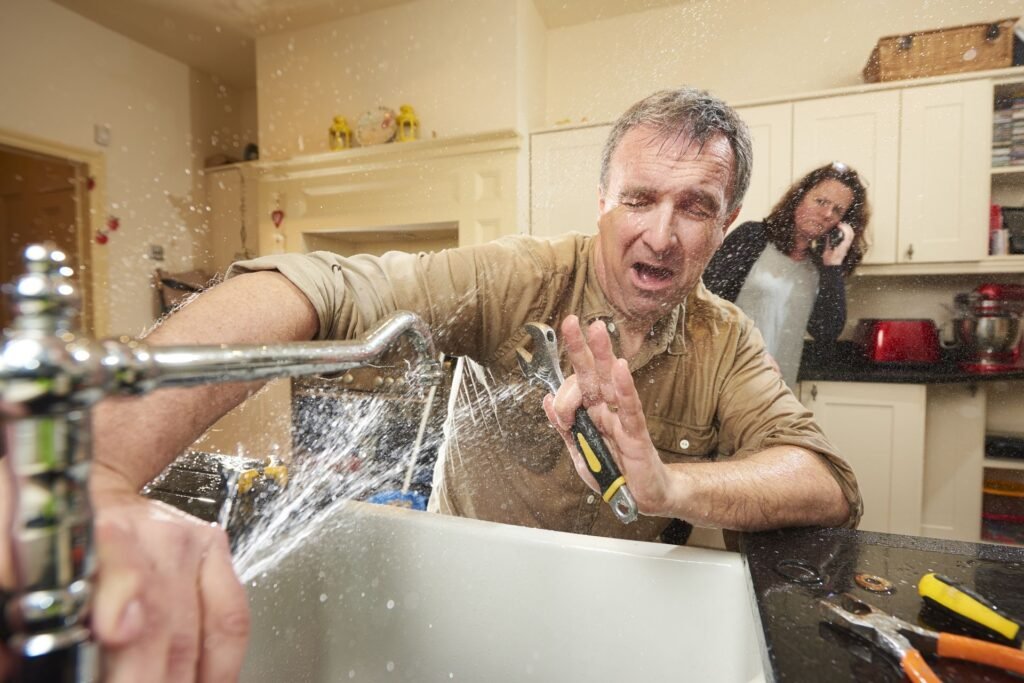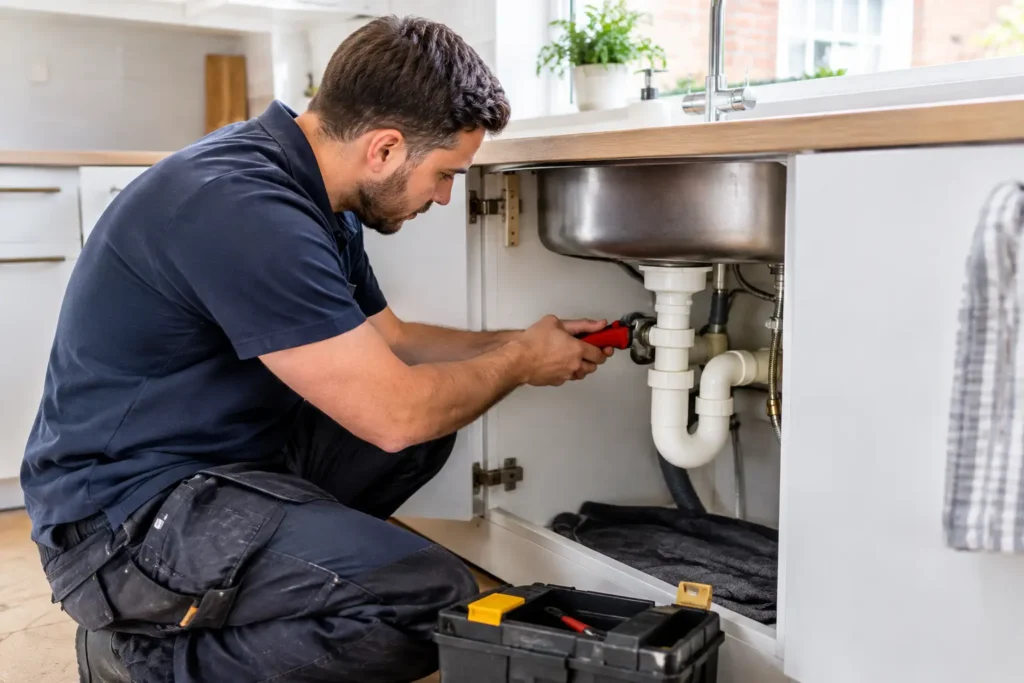
A small drip beneath the kitchen sink can quietly damage a cupboard long before it becomes an obvious leak. A slow-draining basin can turn into a blocked pipe at the worst possible time. Good plumbing maintenance is about spotting these early warnings, protecting your property and avoiding the disruption of an emergency repair.
For homeowners, landlords and local businesses, a few regular checks can make a real difference. They help reduce the chance of water damage, unpleasant smells, hygiene problems, tenant complaints and unexpected closures. The aim is not to turn you into a plumber. It is to know what looks wrong, what can be dealt with safely, and when to call for professional help.
Why plumbing maintenance pays for itself
Plumbing faults rarely improve by being ignored. A dripping tap wastes water, but it can also indicate a worn washer, cartridge or valve that will eventually fail further. A toilet that keeps running may seem like a minor annoyance, yet it can increase water use and often points to a faulty internal component. Damp patches, musty smells and reduced water pressure are all worth checking promptly.
The cost of a planned repair is often much easier to manage than the cost of a burst pipe, damaged flooring or a ceiling affected by a hidden leak. This is particularly relevant in rental homes, hotels, cafés, offices and other occupied premises, where one plumbing problem can affect several people at once.
Regular attention also gives you more choice. You can arrange a repair at a convenient time, rather than dealing with it during an evening, weekend or busy trading period. For landlords and property managers, planned maintenance helps keep tenants comfortable and reduces the risk of repeat callouts for the same unresolved issue.
Plumbing maintenance checks for kitchens and bathrooms
Kitchens and bathrooms contain most of the fittings that are used every day, so they are the best places to start. You do not need specialist tools for a visual check. Look, listen and use your sense of smell.
Check for leaks where water is used most
Look under sinks, around toilet bases, behind washing machines and dishwashers, and around shower trays and baths. Pay attention to swollen cabinet bases, discoloured sealant, peeling flooring or marks on the ceiling below a bathroom. These signs do not always mean there is an active leak, but they should not be dismissed.
Run taps and inspect the pipework beneath while the water is flowing. A joint that only drips under pressure can be missed when everything is dry. Check that isolation valves are accessible too. In an emergency, being able to turn off the water supply quickly can limit the damage before help arrives.
If you find a leak, place a container beneath it if safe to do so and avoid using the affected fitting. Do not overtighten visible pipe joints or force a seized valve, as this can make the fault worse.
Keep drains flowing properly
Slow drainage is one of the clearest signs that a blockage is developing. In kitchens, grease, food debris and soap residue build up over time. In bathrooms, hair, soap scum and toiletries are usually to blame. A simple plughole catch can prevent a surprising amount of material entering the pipework.
Avoid pouring cooking fat, oil or coffee grounds into the sink. Wipe greasy pans with kitchen roll before washing them, and dispose of the paper in the bin. In bathrooms, remove hair from plugs after showers and baths rather than washing it down the drain.
Chemical drain cleaners are not always the best answer. They can be harsh on pipework and seals, may not clear a stubborn blockage, and create a hazard if further work is needed. If water is backing up, drains are repeatedly slow, or there is a sewage smell, professional drain cleaning is usually the safer and more effective option.
Do not ignore toilets that run or rock
A toilet should refill after flushing and then stop. If you can hear water continuing to run into the cistern, or the pan keeps trickling into the bowl, an internal part may need repairing or replacing. The issue can waste a significant amount of water over time.
A toilet that moves when used should also be assessed. It may be a loose fixing, worn seal or flooring issue. Continued movement can damage the connection below and lead to leaks that are not immediately visible. In commercial washrooms, where toilets receive heavier use, regular checks are especially worthwhile to avoid hygiene concerns and inconvenience for customers or staff.
Protect pipes, radiators and hidden connections
Not every plumbing issue starts in plain sight. Pipes under floors, inside boxing and behind appliances can leak slowly for weeks. Keep an eye on changes in your water use, unexplained dampness and any drop in water pressure. If the water meter shows usage when all taps and appliances are off, there may be a leak somewhere on the system.
Radiators deserve attention as part of wider property maintenance. Cold patches, noisy pipework or a radiator that does not heat evenly can affect comfort and may suggest trapped air, sludge or a circulation issue. Bleeding a radiator can help in some cases, but recurring cold spots across several radiators may need a more thorough inspection or power flush.
During cold spells, protect exposed pipes in garages, loft spaces and outside areas. Frozen water expands and can split a pipe, with the leak often becoming apparent only after temperatures rise. Insulation is a sensible preventative measure, but it must be fitted correctly and should not hide an existing leak.
A sensible maintenance routine for landlords and businesses
The right frequency depends on the property and how heavily it is used. A family bathroom has different demands from a busy café toilet, a hotel laundry area or a school washroom. Properties with older pipework, multiple bathrooms or high visitor numbers benefit from more frequent checks.
For most homes and rental properties, make a basic inspection every few months and whenever there is a change of tenant. Check taps, toilets, visible pipework, sink units, shower seals and drainage. Ask tenants to report slow drains, drips and unusual noises early, without worrying that they are making a fuss.
Commercial premises should keep a simple record of reported faults and completed repairs. Repeated blockages in the same area, for example, are a sign that the underlying cause needs addressing rather than simply clearing the symptoms each time. A restaurant kitchen may need more regular drain maintenance than an office kitchenette, while a hotel should prioritise showers, toilets and water-use areas that affect guest experience.
It is also sensible to know where the internal stop tap is and ensure responsible staff, tenants or managers can identify it. In a significant leak, turning off the water quickly can prevent major damage while a plumber is on the way.
When a small issue needs a plumber
Some maintenance jobs are straightforward, such as clearing hair from a plughole or replacing a worn washer if you are confident doing so. Others need a professional diagnosis. Call for help if you have persistent leaks, water coming through a ceiling, a blocked drain that keeps returning, foul odours, a toilet that will not flush properly, damaged pipework, low pressure affecting several outlets or signs of water damage.
Act quickly if water is near electrical fittings or if a leak is spreading. Turn off the water supply if you can do so safely, move valuables away from the area, and avoid taking apart pipework in an attempt to find the source. Fast action limits damage, but a proper repair prevents the same fault returning.
For reliable plumbing maintenance, urgent repairs and practical advice across Hull, Beverley and the surrounding East Yorkshire area, contact HJZ Plumbing on 01482 236483.