A radiator that stays cold at the bottom, leaks onto the floor, or starts clanking in the night usually does not fail without warning. In many homes, the early signs are there for weeks – slow warm-up times, patchy heat, rusty marks around a valve, or a room that never quite feels comfortable. If you are looking for radiator repair Hull households can rely on, the first step is knowing what the problem might be and when a simple fix turns into a job for an experienced plumber.
Radiators are one of those parts of the home people tend to ignore until they stop doing their job. That is understandable. When your heating is working, it is easy to leave it alone. But a faulty radiator can do more than make one room chilly. It can put extra strain on the wider heating system, waste energy, and cause water damage if a small leak is left to spread.
Common radiator problems in Hull homes
Some radiator faults are obvious, while others are easier to miss. A leak is hard to ignore. Poor heat output is less dramatic, but often just as disruptive, especially during colder spells when every room matters.
One of the most common issues is trapped air. If the top of the radiator is cold but the bottom is warm, air may be stopping hot water from circulating properly. In many cases, bleeding the radiator can improve things. If the problem keeps returning, though, it may point to a deeper issue in the system.
Cold patches near the bottom of the radiator often suggest a build-up of sludge or debris. Over time, corrosion inside the system creates deposits that settle in the lower sections. This blocks the flow of hot water and reduces efficiency. You might still get some heat, but not enough to warm the room properly.
Leaks are another regular callout. These can come from the valve, the pipe connection, or the body of the radiator itself. A loose nut may be a straightforward repair. Corrosion in the radiator panel is different. Once the metal starts to fail, repair is not always the most sensible option.
Then there is noise. Gurgling, banging, ticking or knocking can all mean different things. Sometimes it is trapped air. Sometimes it is expansion in the pipework. Sometimes it points to circulation problems. The key is not to assume all noises are harmless just because the radiator is still producing some heat.
When radiator repair in Hull is usually the right option
Repair makes sense when the fault is isolated and the radiator still has good overall life left in it. A stiff or faulty valve, minor leakage from a joint, airlocks, and circulation issues can often be sorted without replacing the unit.
If the radiator is structurally sound, a targeted repair is usually quicker, less disruptive and more cost-effective than fitting a new one. This is often the case in family homes, rental properties and commercial premises where you need the heating back up and running without unnecessary extra work.
That said, repair is not always the cheapest choice in the long run. If a radiator has severe rusting, repeated leaks, or poor performance caused by years of internal build-up, replacement may be the better investment. A good plumber will tell you honestly when repair is worthwhile and when it is likely to be a short-term patch.
What you can safely check yourself
Before calling for radiator repair Hull residents can do a few basic checks, as long as there is no active leak causing damage.
Start by checking whether the radiator is heating unevenly. If it is cold at the top, it may need bleeding. If only one radiator is affected and the others are working normally, that is useful information for diagnosing the fault.
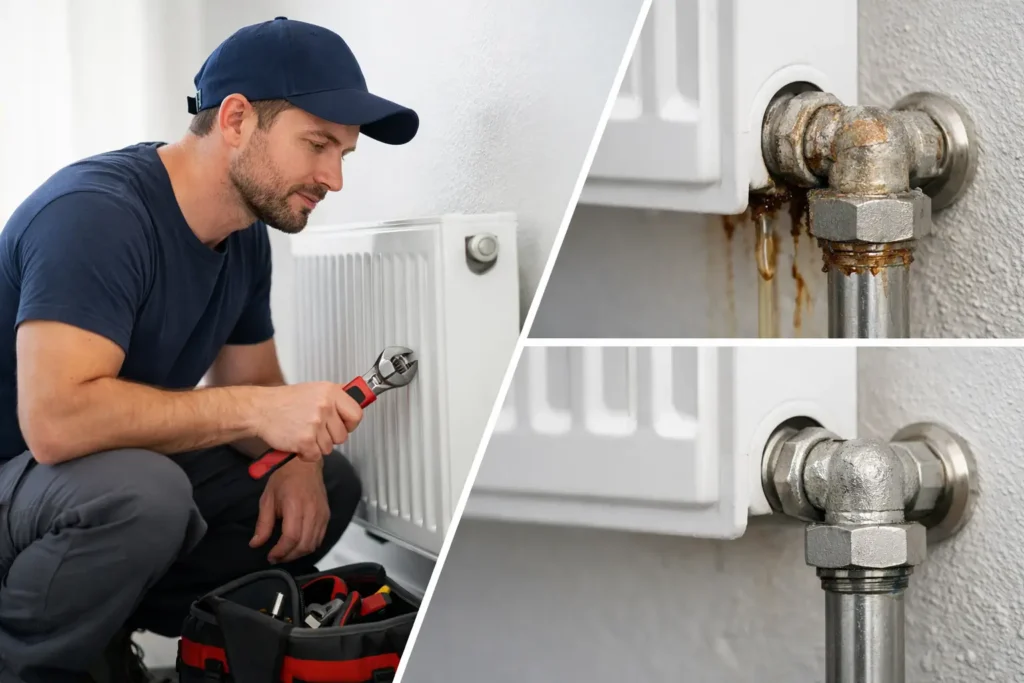
Look around the valves and beneath the radiator for damp patches, staining, rust, or small drips. Sometimes a slow leak leaves powdery residue or discoloured flooring before you ever see water running.
You can also check whether the thermostatic valve head feels stuck. These can seize after long periods without use, especially in rooms where the radiator is often turned down. Still, forcing anything is a bad idea. If a valve will not move properly, it is better to get it checked than risk making the leak worse.
If more than one radiator is underperforming, the issue may be wider than a single unit. That could mean circulation problems, sludge in the system, or pressure-related issues. At that stage, it is usually time to bring in a professional.
Signs you should call a plumber straight away
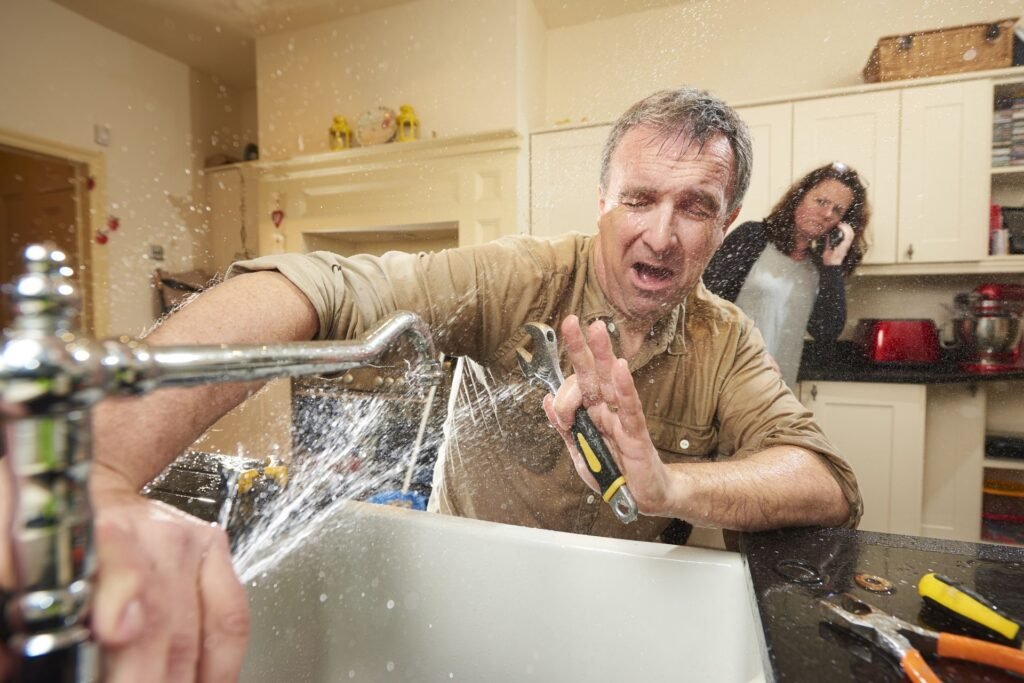
There are some situations where waiting is not worth the risk. A leaking radiator should be dealt with promptly, particularly if water is reaching laminate, carpet, skirting boards or nearby electrics. What starts as a small drip can become a burst joint or a more serious leak without much notice.
A radiator that is completely cold while the rest of the system is running also deserves attention, especially if bleeding does not help. The same goes for repeated airlocks, persistent noise, or valves that will not shut off properly.
Landlords and commercial property owners should be especially careful not to leave radiator faults unresolved. Tenants, guests and staff all notice poor heating quickly, and a small repair delay can easily turn into a larger maintenance problem.
Why radiator faults keep coming back
One-off issues happen. But if the same radiator needs attention again and again, there is usually an underlying reason.
Sludge is a frequent cause. It does not just affect heat output once – it keeps restricting circulation until the system is cleaned properly. Corrosion is another. If water quality in the system is poor, radiators and valves can wear out faster than expected.
Poor previous workmanship can also be part of the problem. Incorrectly fitted valves, bad joints, or mismatched components may hold for a while, then start showing faults under pressure. In older properties, ageing pipework may add another layer of difficulty.
This is why a proper diagnosis matters. Quick fixes have their place, especially in an emergency, but lasting radiator repair depends on understanding why the fault developed in the first place.
Repair or replace – how to make the right call
This is where experience matters more than guesswork. If the radiator is fairly modern, in decent condition and leaking from a repairable point, repair is often sensible. If the valve has failed, replacing that part may restore normal performance without much upheaval.
If the radiator is heavily rusted, leaking through the panel, or barely heating even after other issues are addressed, replacement may be more practical. There is no point paying repeatedly for repairs on a unit that is already at the end of its useful life.
It also depends on the room. In a main living area or a busy commercial setting, reliability matters more than limping through with a temporary fix. In a spare room, you may have a little more flexibility. A trustworthy plumber should explain the trade-off clearly so you can decide based on condition, cost and likely lifespan.
Choosing a local radiator repair service in Hull
When heat is patchy or a radiator is leaking, most people are not looking for a long sales pitch. They want somebody who turns up, identifies the fault properly, works neatly, and explains the options in plain English.
That matters even more in occupied homes, rental properties and customer-facing businesses. Good radiator repair is not only about tools and parts. It is also about respecting the property, keeping disruption low and getting the job sorted with as little stress as possible.
A local plumber with broad heating and plumbing experience can usually spot whether the problem is isolated to the radiator or tied to something else in the system. That saves time and helps avoid spending money on the wrong fix.
HJZ Plumbing supports customers across Hull and surrounding East Yorkshire areas with practical radiator repairs, replacement work and wider heating-related plumbing issues. The focus is straightforward – fast response, tidy workmanship and clear advice that helps people make the right decision for their property.
Keeping radiators working properly for longer
Most radiator problems do not appear overnight. They build slowly. A little attention now and then can help you avoid bigger repair bills later.
If a radiator starts taking longer to warm up, makes unusual noises, or shows signs of staining around the valves, do not leave it until winter gets worse. Small issues are usually easier to deal with when caught early. The same goes for radiators in empty rooms. They still need occasional checks, because faults can go unnoticed for months.
For properties with older heating systems or recurring circulation issues, wider maintenance may be worth considering. In some cases, improving system cleanliness and addressing build-up can make a noticeable difference to radiator performance across the whole house.
A warm home should not depend on guesswork. If one radiator is not doing its job, it is often the system’s way of telling you something needs attention. Getting it looked at early is usually the simplest way to protect your comfort, your property and your heating costs.