When a radiator stays cold at the bottom, takes ages to warm up, or starts making odd knocking sounds, it is rarely just a minor annoyance. In many homes and commercial properties, these are early signs that sludge, rust and debris are building up inside the heating system. If you are looking into power flushing Hull services, it usually means your radiators are underperforming and the problem is already affecting comfort, efficiency and day-to-day routine.
A sluggish heating system can be easy to ignore at first. One room feels cooler than the others. A radiator needs constant bleeding. The water runs dark when it is drained. Then the heating starts taking longer to do its job, and you are paying for warmth you are not properly getting. In occupied homes, rental properties and busy workplaces, that quickly becomes a practical problem rather than a small inconvenience.
What power flushing in Hull actually does
Power flushing is a cleaning process that removes the built-up sludge and debris circulating through a central heating system. Over time, corrosion inside pipes and radiators creates magnetite, a dark iron oxide sludge that settles in the system. That build-up restricts flow, creates cold spots, reduces heating performance and puts added strain on components.
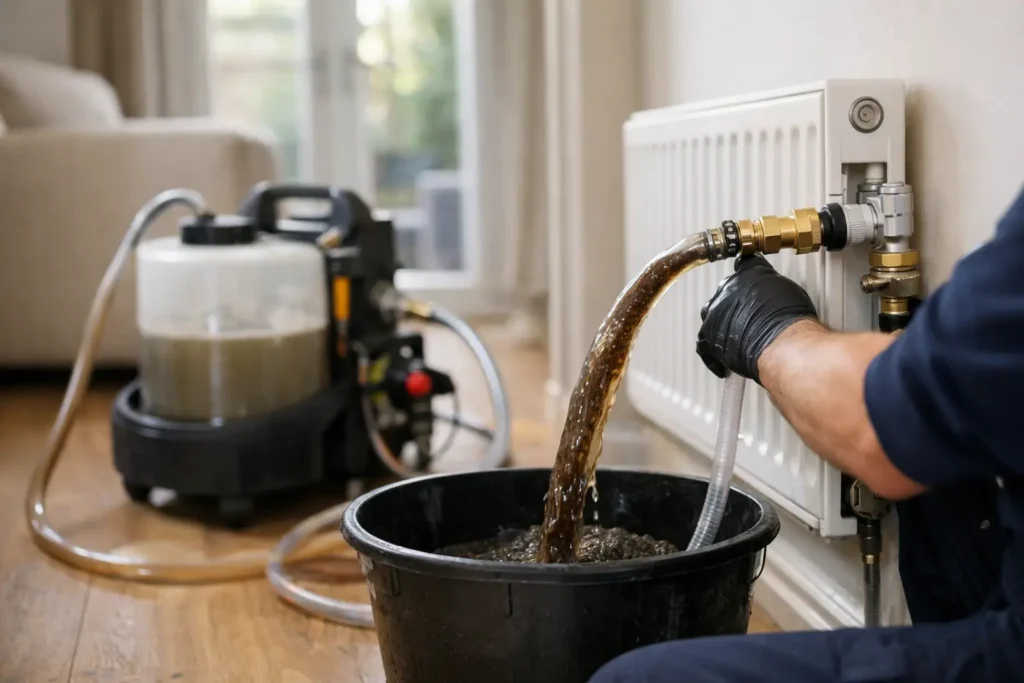
During a power flush, specialist equipment is connected to the system to push cleaning chemicals and water through at high flow. The aim is to dislodge and remove contamination so water can circulate properly again. Once the system is cleaned, it is flushed through, treated and left in a far healthier condition.
For many property owners, the immediate benefit is simple – radiators heat more evenly, rooms warm up faster and the system works more smoothly. The longer-term benefit is that cleaning out contamination can help reduce ongoing wear and repeated faults.
Signs you may need power flushing Hull services
Not every heating issue means the whole system needs a power flush, and honest advice matters here. Sometimes a single faulty radiator valve or trapped air is the real issue. But there are several signs that point strongly towards internal sludge and poor circulation.
If radiators are cold at the bottom and warm at the top, that is a common warning sign. If some radiators heat up while others stay barely warm, restricted flow may be to blame. Dirty or black water when a radiator is bled is another strong indicator. You may also notice banging noises, constant need for bleeding, slow heat-up times or repeated radiator problems that never seem fully resolved.
In rental properties and commercial premises, there is often an extra layer of urgency. Tenants expect reliable heating. Staff and customers notice cold rooms. Hotels, cafés and offices cannot afford avoidable disruption. In those settings, dealing with the cause early is often far cheaper than letting the problem drag on.
Why sludge causes more trouble than people expect
The main issue with sludge is not just that it makes radiators less effective. It affects how the whole system behaves. If water cannot move freely, some areas get hot while others stay cool. Heat output becomes inconsistent, and the system has to work harder to maintain temperature.
That inefficiency often shows up gradually. You may start using the heating for longer because rooms are slower to warm. You may notice one part of the property feels comfortable while another stays chilly. In larger homes or mixed-use buildings, poor circulation can become a regular complaint.
There is also a maintenance angle. Dirty system water contributes to ongoing wear inside the heating circuit. Once debris starts circulating, it can keep causing nuisance problems. That is why simply bleeding radiators or topping up pressure may only provide short-term relief if the real issue is contamination.
Is power flushing always the right answer?
Not always, and that is worth saying clearly. A proper assessment comes first. If the issue is isolated to one radiator, one valve or one section of pipework, a targeted repair may be more appropriate. In some older systems, the condition of the pipework and radiators also needs to be taken into account before any flushing work is recommended.
This is where experience matters. A good plumber does not push the biggest job by default. They look at the symptoms, test what is happening and explain whether a power flush is likely to solve the problem or whether another repair makes more sense.
For many customers, that clear advice is as valuable as the work itself. You want to know what is wrong, what can be fixed, and what is the most sensible route for your property and budget.
What to expect during a power flush
A professional power flush should be planned to keep disruption to a minimum. The equipment is connected to the heating system, and each radiator is worked through so contamination can be loosened and removed. The dirty water is flushed out, the system is cleaned through thoroughly and protective treatment is added at the end.
How long it takes depends on the size of the property, the number of radiators and how contaminated the system is. A smaller domestic system may be completed more quickly than a larger house, school office area or commercial premises with multiple zones. If the build-up is severe, the job can take longer because each part of the system needs proper attention.
What matters is doing it properly rather than rushing through it. A half-done clean will not deliver the results customers are hoping for.
The benefits for homes, landlords and commercial properties
For homeowners, the biggest benefit is usually comfort. Rooms heat more evenly, radiators respond properly and the heating feels more reliable. That matters most in winter, but it also helps avoid the frustration of small heating issues turning into bigger repair jobs later.
For landlords and letting agents, power flushing can help reduce tenant complaints about poor radiator performance and uneven heating. In occupied properties, that can make a noticeable difference to comfort without the upheaval of major replacement work. It is also a practical step when preparing a property between tenancies or sorting long-standing heating complaints that simple bleeding has not solved.
For commercial properties, the priority is often continuity. Hotels, restaurants, cafés, schools, shops and offices need heating systems that work consistently. Poor circulation can affect staff comfort, customer experience and building usability. Addressing the issue early helps limit disruption and supports a more dependable day-to-day environment.
Why early action usually saves money
Heating systems rarely improve by being left alone. If radiators are underperforming because of internal sludge, the problem tends to get worse over time, not better. What starts as one cold radiator can become several. What feels like a minor annoyance can turn into a more expensive series of faults and callouts.
Early action gives you more options. It may mean the difference between cleaning and restoring a system versus dealing with repeated breakdowns, damaged radiators or larger replacement work later. It also helps avoid the stress of waiting until the heating is struggling during the coldest part of the year.
That is especially important in occupied buildings where disruption affects more than one person. A family home, a rental property or a busy workplace all rely on heating doing what it should without repeated attention.
Choosing a local plumber for power flushing in Hull
When you need help with heating circulation problems, you want a plumber who can assess the issue properly and explain the options in plain terms. Fast response matters, but so does good judgement. There is no benefit in guessing, and there is no value in recommending work that does not fit the problem.
A dependable local plumber should be able to identify whether sludge is the likely cause, carry out the work tidily, and leave you with a heating system that performs better than it did before. Clear communication matters throughout, particularly in homes with children, rented properties, or business premises where access and timing need to be managed carefully.
If your radiators are cold in places, your heating is slow to respond, or the water in the system is coming out dark and dirty, it is worth getting it checked before the issue grows. For practical advice and reliable power flushing support, contact HJZ Plumbing on 01482 236483 or visit www.hjzplumbing.com. A cleaner heating system is not just about warmer radiators – it is about making the property more comfortable, more reliable and easier to manage.