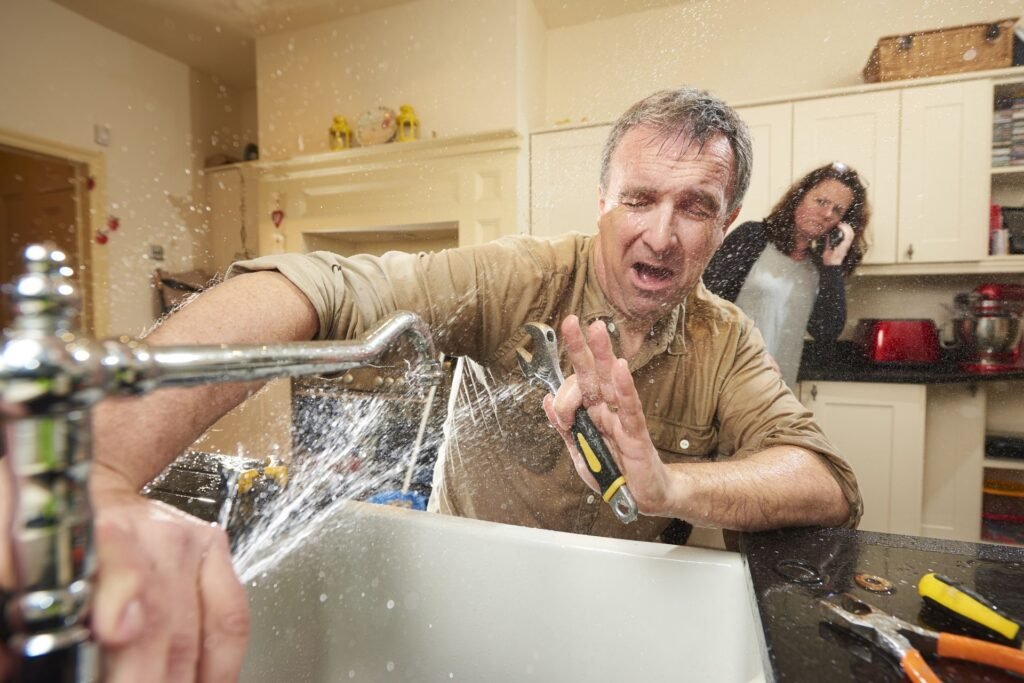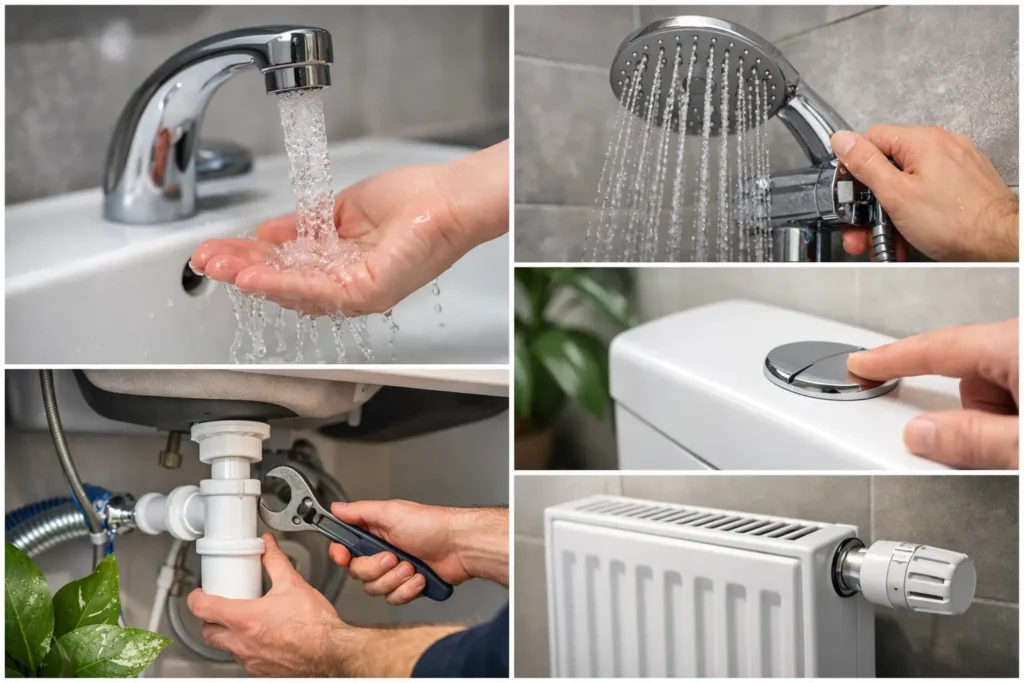
A dripping tap might not look like much at 7am when you are making tea, but over a month it can waste far more water than most people realise. The same goes for toilets that keep trickling into the pan, old showers that use more water than they need to, and pipework leaks hidden behind units or under floors. Water saving plumbing upgrades are not just about being more efficient on paper. They help cut bills, reduce wear on your plumbing, and lower the risk of small faults turning into expensive damage.
For homeowners, landlords, and businesses, the best upgrades are usually the ones that solve two problems at once. A new fitting might use less water, but it should also be reliable, easy to use, and suited to the property. There is no point fitting something that saves a little water if it creates poor pressure, causes complaints from tenants, or is likely to fail early. Good plumbing upgrades need to work properly in day-to-day life.
Which water saving plumbing upgrades make the biggest difference?
The answer depends on where water is being wasted now. In many properties, toilets, taps, showers, and unnoticed leaks are the main issues. In others, especially busy commercial premises, the problem is not only water use but repeated wear from constant use.
A modern dual-flush toilet is often one of the most effective improvements. Older toilets can use a surprising amount of water with every flush, and if the internal valve is worn or sticking, they may continue leaking water into the bowl long after use. Replacing or upgrading the cistern internals can sometimes be enough. In other cases, a full toilet replacement makes more sense, especially if the existing unit is unreliable or difficult to source parts for.
Taps are another common area where water is wasted. Dripping taps are the obvious problem, but older taps can also have poor flow control. Installing modern taps with aerators or flow-limiting features can reduce unnecessary usage without making handwashing or washing up feel awkward. In kitchens and commercial washrooms, that can add up quickly.
Showers are worth a close look too. A high-flow shower might feel powerful, but it can use a large volume of water in a short time. A well-chosen water-saving shower head or shower valve can reduce consumption while still giving a comfortable shower. That said, this is one of those jobs where it depends on the property. If water pressure is already poor, fitting the wrong shower head can leave people disappointed. The upgrade needs to match the system, not just the sales label.
Fixing leaks is often the best upgrade
People often think of upgrades as new products, but one of the most valuable water-saving improvements is simply finding and fixing leaks properly. A leaking toilet, a weeping pipe joint, a faulty ball valve, or a dripping outside tap can waste water every day without getting much attention.
This matters in family homes, but it is especially important in rental properties, schools, cafés, and offices where small faults can be ignored until they start causing damage. Hidden leaks can stain ceilings, damage flooring, create hygiene concerns, and lead to complaints from tenants, staff, or customers. Fixing them early is usually far cheaper than waiting for visible damage to appear.
In older properties, pipework condition matters as much as the fitting at the end of it. If the system has recurring leaks, corrosion, or tired joints, replacing sections of pipework may be a smarter long-term move than carrying out repeated patch repairs. It costs more upfront, but it often saves money and disruption over time.
Water saving plumbing upgrades for landlords and managed properties
Landlords and letting agents usually need a balance between cost, durability, and tenant satisfaction. The cheapest fitting is not always the right one. If a tap cartridge fails quickly or a toilet flush becomes unreliable, the saving disappears the moment another callout is needed.
In rented properties, straightforward upgrades tend to work best. Dual-flush toilets, reliable tap replacements, easy-to-clean showers, and prompt leak repairs can make a noticeable difference without overcomplicating maintenance. The goal is to reduce waste while keeping the property practical for everyday use.
There is also a wider property management issue to think about. Water waste often goes hand in hand with neglect. A toilet that has run for months, a shower that leaks through a tray seal, or a kitchen tap that never fully shuts off can suggest a property has not had enough attention. Addressing those issues helps protect the standard of the home and reduces the chance of bigger repair costs later.
Commercial premises have different priorities
In restaurants, cafés, hotels, offices, and schools, plumbing upgrades need to work under heavier use. A water-saving fitting in a guest bathroom or staff washroom needs to stand up to frequent operation, and it needs to be easy for users to understand. If people cannot work the control properly, or if it feels too restrictive, it can create frustration rather than savings.
For commercial settings, sensor taps and timed shut-off fittings can be useful in the right place, especially in public or shared washrooms. They can reduce water waste and improve hygiene at the same time. However, they are not always the best option everywhere. In some buildings, simpler mechanical fittings are more reliable and easier to maintain.
Busy premises also need downtime kept to a minimum. That means planning upgrades carefully, choosing proven products, and making sure the plumbing is left tidy and fully tested. A water-saving improvement is only worthwhile if it does not disrupt customers, staff, or tenants more than necessary.
How to choose the right upgrade for your property
The right starting point is not a catalogue. It is the actual problem in the property. If bills have crept up, toilets seem slow to refill, taps drip, or water pressure has changed, those are useful signs. A practical inspection often shows whether you need a repair, a replacement, or a broader upgrade.
Age of the system matters. Older bathrooms and kitchens may benefit from partial modernisation rather than one-off fixes. Usage matters too. A family bathroom used several times a day has different demands from an en-suite used occasionally, and a café toilet has different demands again.
It is also worth thinking about the quality of existing installation work. Some problems are caused less by the fitting itself and more by poor workmanship, bad sealing, or unsuitable parts. Replacing one component without addressing the real cause can lead to repeat faults. Honest advice matters here. Sometimes a small repair is enough. Sometimes it is better to stop spending money on a fixture that is already near the end of its life.
When saving water also helps prevent damage
One reason these upgrades matter is that water waste and water damage often go together. A toilet that constantly runs may seem like a billing issue, but the same worn internal parts can eventually fail more seriously. A dripping tap can become a seized valve. A minor leak under a sink can damage cabinets, flooring, and skirting before anyone notices.
That is why practical water-saving work is rarely just about efficiency. It is about making the plumbing more dependable. In occupied homes and businesses, reliability matters just as much as lower consumption. People need toilets that flush properly, showers that work as expected, and taps that turn off fully every time.
If you are planning improvements, it makes sense to prioritise the fittings that are already showing signs of wear. That way, the upgrade does a real job rather than becoming a cosmetic change.
Water saving plumbing upgrades are best done before failure
The cheapest time to deal with a worn toilet valve, an ageing tap, or a leaking shower connection is usually before it fails completely. Once a fault starts causing damage, inconvenience, or complaints, the cost is no longer just the plumbing repair. It can involve damaged finishes, downtime, tenant issues, and the stress of sorting it in a hurry.
That is why planned upgrades are often the most sensible route. They give you time to choose the right fittings, schedule the work properly, and avoid the pressure of an emergency. For many properties, a few well-chosen improvements can make daily use better while reducing the chance of repeated callouts.
If you have dripping taps, leaking toilets, an inefficient shower, or any plumbing issue that may be wasting water, HJZ Plumbing can help with practical advice, repairs, and replacement work across Hull and the surrounding area. To discuss water-saving improvements for your home, rental property, or business, call 01482 236483 or visit www.hjzplumbing.com. A small plumbing issue rarely stays small for long when water is involved.