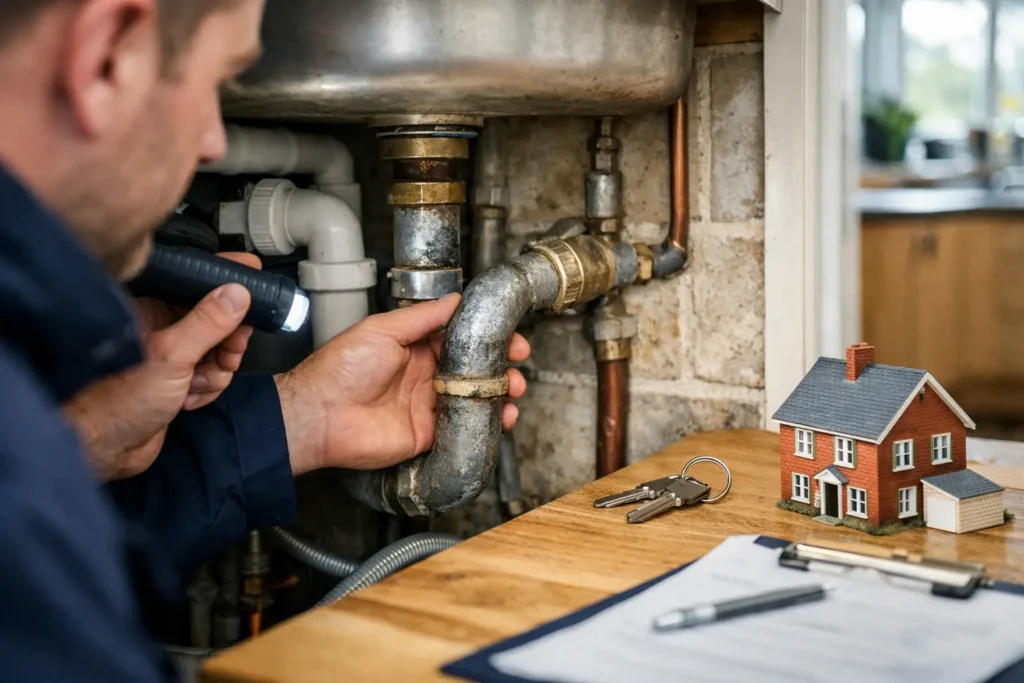
If you live in an older property, the plumbing hidden under floors, in cellars or behind kitchen units can tell a very different story from what you see on the surface. Lead pipes in Hull are still an issue in some homes and commercial buildings, especially where the property dates back many decades and parts of the original water supply have never been fully updated.
That does not mean every older building has a serious problem, but it does mean the pipework is worth checking properly. For homeowners, landlords and business owners, old lead pipework can raise concerns about water quality, reliability and future repair costs. The earlier it is identified, the easier it is to plan the right solution before it turns into a larger disruption.
Why lead pipes in Hull still matter
Hull and the wider East Yorkshire area have a mix of older terraces, period properties, converted buildings and long-standing commercial premises. In some of these, sections of original plumbing may still remain. Even when bathrooms and kitchens have been modernised, hidden supply pipes are sometimes left in place if they were not causing an obvious leak at the time.
Lead was once widely used because it was flexible and easy to work with. The problem is that standards have changed for good reason. Lead in drinking water is now recognised as a health concern, and old lead pipework can also become a practical plumbing issue as it ages.
This matters most in properties where the incoming mains supply or internal drinking water pipes have never been replaced. It can also affect landlords and property managers, because older pipework can create avoidable tenant concerns, maintenance callouts and questions during property improvements or refurbishments.
How to tell if you may have lead pipework
The first clue is usually the age of the property. Homes built before the 1970s are more likely to contain lead somewhere in the water supply system, though that is not a guarantee. Some have already been updated in full, some only in part, and some still have a short section of lead pipe where the supply enters the building.
Lead pipes often have a dull grey appearance rather than the brighter finish you see on copper or the coloured coatings common on newer plastic pipework. They are also quite soft. A plumber can often identify them quickly, but property owners should avoid testing or disturbing old pipework themselves unless they know exactly what they are looking at.
Another sign is uneven plumbing history. If a property has a newer bathroom but very old service areas, or if different parts of the system appear to have been repaired at different times, there may be a mixture of old and new materials. In practice, that is quite common.
What risks do lead pipes create?
The concern people usually think of first is drinking water. Water sitting in old lead pipework for long periods can pick up traces of lead, which is one reason stagnant water from older systems is taken seriously. Families with young children often want quick reassurance on this point, and rightly so.
There is also the condition of the pipe itself. Old lead pipework can become vulnerable to wear, movement and awkward patch repairs over time. You may not get a dramatic burst straight away. More often, you get the slow problems – minor leaks, unreliable joints, poor previous repairs and hidden damp where pipework runs under floors or through cupboards.
For businesses, schools, cafés, rental properties and occupied commercial premises, the issue is not just technical. It is about confidence in the water supply and avoiding disruption. If there is any doubt about the condition of old pipework, it is better to deal with it in a planned way than wait for complaints, damage or emergency repairs.
Should every lead pipe be replaced immediately?
It depends on where it is, what it serves and what condition it is in. Not every property needs a full plumbing overhaul the moment lead is found. In some cases, only a specific section needs replacing, such as the incoming main or a branch serving kitchen cold water.
That said, lead pipework is rarely something worth keeping long term. Even if it is not leaking today, it can still be a weak point in the system and may complicate future plumbing work. If you are already planning a bathroom renovation, kitchen update or wider refurbishment, that is often the most sensible time to replace older lead sections while access is easier.
For landlords and commercial property operators, replacement can also make good sense as a preventive measure. Waiting until there is a tenant complaint, a leak behind units or a trading disruption in a busy premises usually costs more in time, money and inconvenience.
What happens during an inspection?
A proper inspection focuses on the parts of the plumbing system that matter most – where the water enters the building, what materials are visible on the main supply runs, and whether older sections are still feeding taps used for drinking or food preparation. The aim is to establish what is actually there, not guess based on the age of the property alone.
In some buildings, the answer is straightforward. The lead pipe is visible and clearly due for replacement. In others, access is more limited, especially in occupied flats, tenanted properties, schools, shops or older commercial units with several alterations over the years. That is where an experienced, practical approach matters.
A good inspection should also consider the likely disruption involved. Replacing a short exposed section in a cellar is very different from replacing concealed pipework running through finished kitchens, boxed-in areas or busy customer spaces. Honest advice matters here. The cheapest option on paper is not always the best if it leaves old problem pipework in place elsewhere.
Replacing lead pipes without creating bigger problems
The best replacement work is planned around the property, not just the pipe. In a lived-in home, that means protecting floors, keeping disruption manageable and making sure the new pipework is neat, reliable and sensibly routed. In a rented or commercial property, it also means thinking about access, timescales and how quickly normal use can resume.
Modern replacement materials are more reliable and easier to maintain, but installation still needs care. Poor routing, awkward joints and rushed finishing can create a different kind of plumbing problem later on. This is why replacement should not be treated as a simple swap with no wider thought.
There may also be decisions to make about whether to replace only the affected section or use the opportunity to improve more of the system. If a property has repeated plumbing issues, weak flow in certain areas or multiple old repairs, a more complete update can be the better investment. If the lead is limited to one accessible section, a targeted repair may be enough for now.
Lead pipes in Hull homes, rentals and business premises
The right approach changes depending on the building. In a family home, the priority is usually peace of mind, safe drinking water and avoiding hidden leaks. In a rental property, it is often about reducing risk, keeping tenants informed and preventing reactive maintenance costs. In a café, restaurant, hotel or school, plumbing decisions also affect hygiene, daily operation and customer or staff confidence.
That is why there is no one-size-fits-all answer. A vacant renovation project gives more freedom to replace larger sections at once. An occupied property may need staged work with careful planning. What matters is knowing where the lead pipework is, understanding the practical risk, and taking action before the issue becomes urgent.
For many property owners, the hardest part is simply not knowing what is hidden in the system. Once the pipework is properly assessed, the next step is usually much clearer.
When to get a plumber involved
If you suspect old lead pipework, have visible grey supply pipes, are buying an older property, or are planning refurbishment work, it is worth having the plumbing checked sooner rather than later. The same applies if tenants have raised concerns about older pipework, or if you are already dealing with leaks, poor previous repairs or signs of long-term wear.
Getting clear advice early can save a lot of avoidable trouble. It helps you decide whether the issue needs urgent replacement, planned improvement work, or a more detailed review of the wider plumbing system.
If you need advice about lead pipes in Hull or surrounding areas, contact HJZ Plumbing on 01482 236483 or through www.hjzplumbing.com. A straightforward inspection and honest recommendation now can save a great deal of mess, expense and stress later.