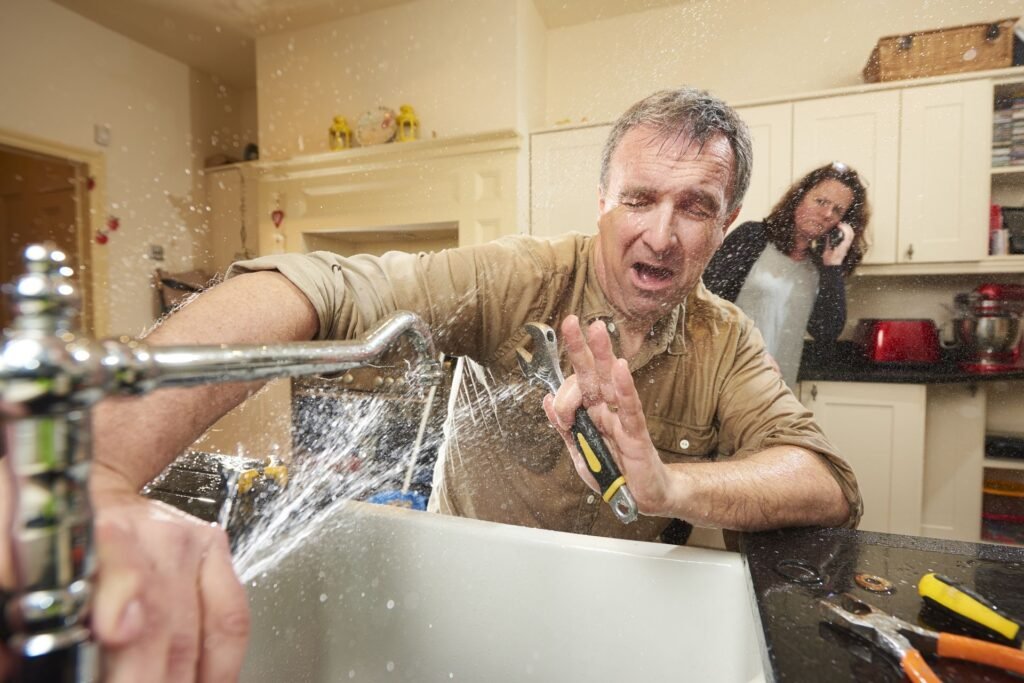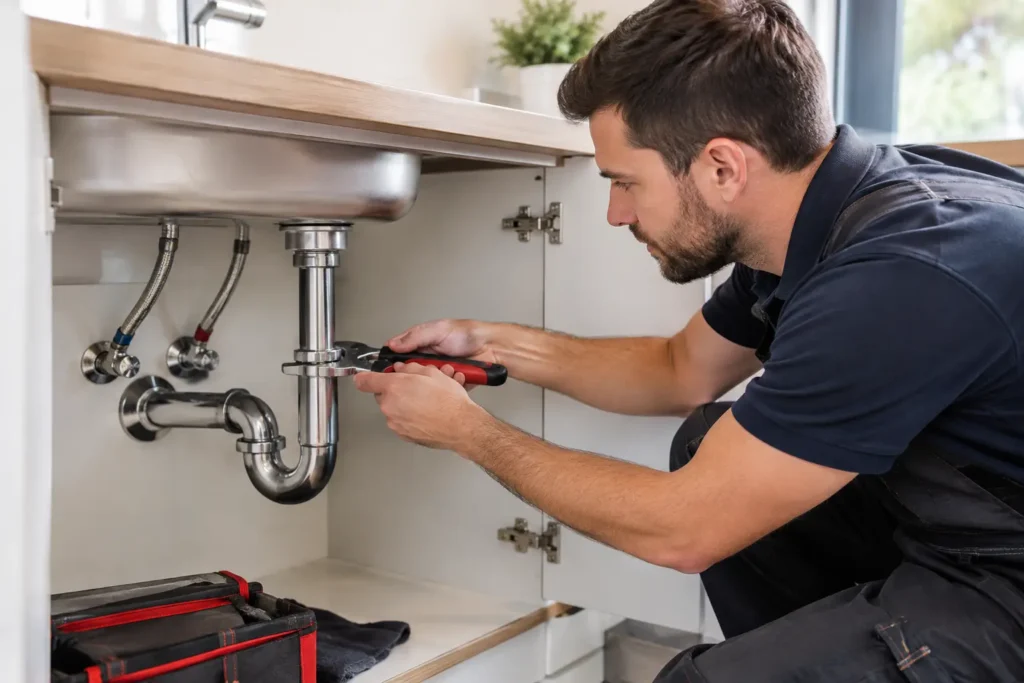
A hot and cold water installation is easy to overlook when everything works. Turn on a tap, run a shower, fill a sink – and water is simply there. But poorly planned pipework can soon cause low pressure, long waits for hot water, noisy pipes, leaks behind walls, and disruption that affects a household or a busy business.
Whether you are renovating a bathroom, fitting a new kitchen, converting a property, or improving facilities in a commercial premises, the pipework behind the fittings deserves the same care as the visible finish. Getting it right from the start helps protect the property, keeps water where it should be, and avoids costly remedial work later.
What hot and cold water installation involves
Hot and cold water installation is the planned fitting or replacement of supply pipework that delivers clean water to taps, showers, toilets, appliances and other outlets. It may involve a single new feed for a kitchen appliance, or a complete system for a renovated home, restaurant kitchen, hotel bathroom block or office washroom.
The work is not just about connecting pipes. A reliable installation considers the route of every pipe, the size required to maintain suitable flow, isolation valves for future repairs, protection from freezing, and access to joints and controls. Pipework also needs to be kept separate and correctly identified so there is no risk of cross-connection between supplies.
In an occupied property, careful planning matters just as much. Nobody wants a kitchen or toilet area left out of action longer than necessary. A practical plumber will agree the work sequence, isolate supplies safely, keep the site tidy and explain any short-term interruption before work begins.
Planning a hot and cold water installation before work starts
The best installation begins with an honest look at how the property is used. A small cloakroom basin and a commercial catering sink do not place the same demand on a water supply. Nor does a family bathroom used at peak morning times compare with a rarely used guest bathroom.
First, the installer should establish where the new outlets will be, how many may be used at once, and whether the existing incoming supply can support them. If pressure is already poor at the kitchen tap or shower, adding more outlets without investigating the cause can make the problem worse.
Pipe routes should be chosen with future maintenance in mind. Concealing pipework can create a cleaner finish, but inaccessible joints behind tiled walls, fitted units or ceilings can turn a small leak into extensive damage. Where possible, controls and serviceable connections should remain reachable without dismantling half the room.
It is also worth deciding where individual isolation valves are needed. Being able to turn off one toilet, tap or appliance without shutting down water to the whole property is a small detail that makes a major difference when a fault occurs.
Choosing suitable pipe materials and sizes
Modern plumbing installations often use copper, plastic pipework, or a combination of both. Each can be suitable when installed properly. Copper is durable and familiar in many properties, while plastic pipe can be quicker to route through awkward spaces and can reduce the number of joints needed on longer runs.
The right choice depends on the building, the location of the pipes, the fittings being connected and the condition of existing pipework. It is not always sensible to replace every visible section if a targeted upgrade will solve the problem. Equally, patching onto old, corroded or unreliable pipework may only delay a larger failure.
Pipe size is equally significant. Undersized pipework can restrict flow when more than one outlet is in use. Oversizing is not automatically the answer either, as it can add unnecessary cost and increase the time it takes for hot water to reach a tap. The aim is a balanced system that suits the property and its day-to-day demand.
Protecting pipes from cold, heat and damage
Pipes in lofts, garages, external walls and unheated voids need protection against freezing temperatures. A burst pipe can cause serious water damage quickly, particularly in empty rental properties or premises closed overnight. Proper insulation reduces the risk and can also help retain heat in hot water pipework.
Hot and cold pipes should be installed with suitable spacing and insulation where needed. This reduces unwanted heat transfer, so cold water stays cooler and hot water lines are not affected by their surroundings. Pipes should also be clipped securely to prevent movement, rattling and strain on connections.
Common problems caused by poor installation
Many plumbing faults are not caused by a dramatic single event. They develop slowly after shortcuts have been taken during installation. A joint that is difficult to reach, a pipe that has not been properly supported, or a missing isolation valve may not be obvious until it creates a problem.
Warning signs include a sudden drop in pressure, banging or vibrating pipes, water marks on ceilings or inside cupboards, discoloured water, recurring leaks beneath sinks, and taps that take an unusually long time to run at the right temperature. These issues should be checked early. Waiting can allow water to damage flooring, cabinetry, plasterwork and stock in a commercial setting.
For landlords and letting agents, reliable pipework is also part of keeping a property safe and manageable. A leaking connection in a vacant flat can go unnoticed for days. In hotels, cafés, schools and offices, an out-of-service washroom can affect hygiene, customer experience and normal operations. Planned maintenance and prompt repairs are usually far less disruptive than dealing with water damage after the fact.
Installation work in kitchens, bathrooms and commercial premises
Kitchen and bathroom projects are the most common times to upgrade water supplies. Moving a sink, fitting a dishwasher, installing a shower or adding a downstairs toilet can all require new hot and cold feeds. The visible fixtures may be chosen first, but their plumbing requirements should be considered before units are fitted or walls are closed.
For example, a powerful shower may need more than a simple connection to existing pipework if flow is limited elsewhere in the property. A new kitchen layout may require a safe route for appliance feeds and waste pipes without compromising cupboard space. In older homes around Hull and East Yorkshire, previous alterations can reveal a mixture of pipe materials, redundant runs and hidden restrictions that need sensible attention.
Commercial work requires the same care on a larger or more demanding scale. Restaurants, cafés and takeaways may need reliable supplies to preparation sinks, staff areas and customer toilets. Shops, offices and schools need facilities that remain dependable during busy periods. The right approach is to understand the operational needs first, then carry out the installation with minimum practical disruption.
When replacement is better than another repair
Not every leak means a full replacement is needed. A localised fault on otherwise sound pipework can often be repaired quickly and effectively. However, repeated pinhole leaks, corroded sections, unsuitable old materials, poor pressure throughout the building or pipework that has been altered several times may point to a bigger issue.
A planned replacement gives you the chance to improve pipe routes, add proper valves, remove unnecessary joints and make future repairs easier. It can be particularly worthwhile during a refurbishment, before a tenancy begins, or when a business is already carrying out planned maintenance. There is a cost upfront, but it may prevent repeated callouts, damage claims and avoidable disruption.
Clear advice matters here. A good plumber should explain whether a repair is sensible, what the longer-term risks are, and which work is genuinely necessary. The aim is not to replace pipework for the sake of it, but to leave you with a safe, practical and dependable water supply.
A tidy installation protects the whole property
Quality workmanship is often most noticeable years later, when taps still perform properly, valves can be found quickly and there are no unexplained damp patches. The work should be tested carefully before areas are boxed in, tiled or redecorated. Any pipe penetrations should be finished neatly, and the work area should be left safe and tidy.
If you are planning a new kitchen, bathroom, extension or commercial fit-out, arrange plumbing work early rather than treating it as a final detail. If you have noticed a leak, pressure problem or ageing pipework, acting now could prevent a much larger repair later. For clear advice and dependable hot and cold water installation across Hull and surrounding areas, contact HJZ Plumbing on 01482 236483. A straightforward inspection today can help keep your property dry, usable and ready for tomorrow.