Cold spots by the bay window, radiators that never seem to warm up properly, and rooms that lose heat as fast as they gain it – that is the reality in many period properties. Choosing the best heating system for old house homes is rarely about chasing one perfect answer. It is about finding a setup that suits the building, the pipework already in place, the way you live, and the amount of disruption you can realistically take on.
Older houses have character, but they also come with quirks. Solid walls, suspended timber floors, uneven insulation, older radiators, and past repairs can all affect how well a heating system performs. What works brilliantly in a modern, tightly insulated home may feel disappointing in a Victorian terrace, Edwardian semi, or rural stone cottage. That is why a practical approach matters more than sales talk.
What makes heating an old house different?
In an older property, heat loss is usually the biggest challenge. If warm air is escaping through draughts, under floors, through single glazing, or across uninsulated walls and loft spaces, the heating has to work much harder. That can leave you with higher bills and rooms that still feel chilly.
The other issue is compatibility. Older homes often have a mix of old and newer plumbing upgrades. You may have radiators added at different times, patchwork pipe runs, or poor circulation in parts of the system. Before anyone talks about replacing the whole heating setup, it is worth checking whether the real problem is distribution, balancing, sludge in the system, or undersized radiators.
Best heating system for old house properties – the honest answer
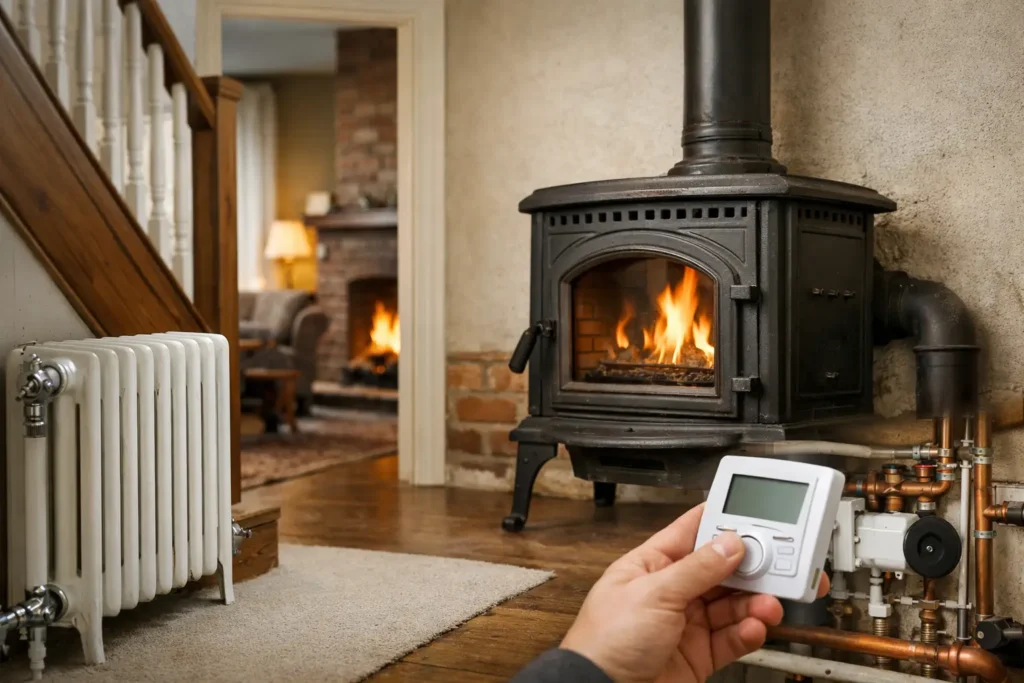
For many older UK homes, the best option is not a completely different heating method. It is often an updated wet central heating system with correctly sized radiators, clean pipework, and controls that let you manage heat properly room by room. That is especially true if the property is occupied daily and already has pipework in place.
Why does this work so often? Because older houses usually benefit from steady, controllable heat rather than quick bursts. Larger radiators or well-chosen replacement radiators can give off more heat at lower flow temperatures, and good controls stop you overheating one part of the house while another stays cold. In practical terms, that means better comfort without unnecessary upheaval.
That said, there is no single answer for every building. The best heating system for old house renovations can change depending on the size of the property, whether it is listed, how much insulation has been improved, and whether floors are being lifted as part of wider refurbishment.
When radiators are still the right choice
Radiators suit many old houses because they are familiar, straightforward to maintain, and easier to upgrade in stages. If some rooms never warm up, that does not always mean the whole system is wrong. It may simply mean the radiators are too small, poorly positioned, partially blocked, or connected to pipework that is no longer performing as it should.
This is where practical plumbing advice matters. A power flush, better balancing, replacing tired valves, or upgrading selected radiators can make a noticeable difference. In homes with high ceilings and colder external walls, the right radiator size is especially important. Too small, and the room never gets comfortable. Too large, and you risk wasting space and heat.
For landlords and property managers, this approach can also be more sensible than a full heating overhaul. If tenants are complaining about one freezing bedroom or a lounge that takes hours to warm up, targeted radiator and pipework improvements can often solve the issue faster and with less disruption.
Is underfloor heating a good fit for an old house?
Underfloor heating sounds attractive, and in some older properties it works very well. It gives an even spread of heat and frees up wall space, which can be useful in smaller rooms or renovation projects. But it is not automatically the best heating system for old house layouts, especially if the floors, levels, and insulation are working against it.
In retrofits, underfloor heating can involve lifting floors, increasing floor height, adjusting doors and skirting, and improving insulation underneath. Without proper insulation, a lot of the warmth can end up going where you do not want it. In a full renovation where floors are already coming up, it may be worth considering. In an occupied home where you want minimal upheaval, it can be harder to justify.
There is also the heat-up time to think about. Underfloor heating tends to work best with slow, steady operation. If you want fast warmth in a draughty room first thing in the morning, radiators may still feel more responsive.
Electric heating – where it works and where it struggles
Electric radiators and panel heaters can be useful in certain situations. They are often chosen for occasional-use rooms, loft conversions, garden rooms, or parts of a property where extending wet heating pipework would be awkward and expensive.
For whole-house heating in an old property, though, electric-only systems can become costly to run. That is the trade-off. They are simple to install, but the running costs can be difficult for households and landlords trying to keep bills manageable. In a small, well-insulated space they may be perfectly reasonable. In a larger, older home with significant heat loss, they are rarely the first choice.
The real issue may be insulation and heat distribution
People often ask for the best heating system when what they really need is a better-performing home. If the property leaks heat badly, even the most carefully chosen system will struggle. That does not mean you need to strip the house back to bare brick. Small improvements can still help.
Loft insulation, draught proofing, heavy curtains, improved floor insulation where practical, and addressing obvious cold bridges can all reduce the strain on the heating. Once heat loss is under better control, radiator upgrades and pipework improvements become far more effective.
This is also why a room-by-room view matters. A front reception room with a large bay window has different heating demands from an internal bedroom or kitchen extension. Treating the whole house as if every room behaves the same usually leads to disappointment.
Controls matter more than many people realise
A heating system is only as good as its control. In older homes, poor controls often mean rooms are heated at the wrong times, or everyone relies on turning the whole system up because one area feels cold.
Modern thermostatic radiator valves, zoned controls, and a properly placed room thermostat can make the heating feel much more consistent. You get better comfort and less waste. In a family home, that means the living spaces can be warmer when needed without overheating bedrooms. In a rental or commercial property, it helps manage complaints and keeps the system working more predictably.
Signs your old house needs heating improvements
If your property has radiators that are hot at the top and cold at the bottom, rooms that never reach a comfortable temperature, noisy pipework, frequent pressure issues, or a system that seems to run constantly without much result, it is worth getting it checked. These are not just comfort issues. Left too long, they can point to wear, circulation problems, sludge build-up, leaks, or components that are no longer working efficiently.
Sorting those faults early is usually easier and less expensive than waiting until you have a complete failure in the middle of winter.
How to choose the best setup for your property
Start with the building, not the brochure. Look at how much insulation has been improved, how the rooms are used, whether the current pipework is sound, and where the real cold spots are. Then think about disruption, budget, and whether you need a staged solution or a full upgrade.
For many old houses, the most practical route is to improve the existing wet heating distribution with smarter controls and better radiator performance. For major renovations, underfloor heating in selected areas may make sense. For occasional-use spaces, electric heating can be useful. The right answer depends on the property, not just the trend.
If you are dealing with radiators that are not heating properly, pipework problems, poor circulation, or rooms that stay cold no matter what you do, getting the plumbing side assessed first can save a lot of time and money. HJZ Plumbing helps homeowners, landlords and property managers across Hull and the surrounding area with practical heating-related plumbing work, including radiator problems, pipework issues and system performance concerns. For clear advice and tidy, dependable service, call 01482 236483 or visit www.hjzplumbing.com. A warmer old house usually starts with fixing what is not working properly, rather than replacing more than you need.