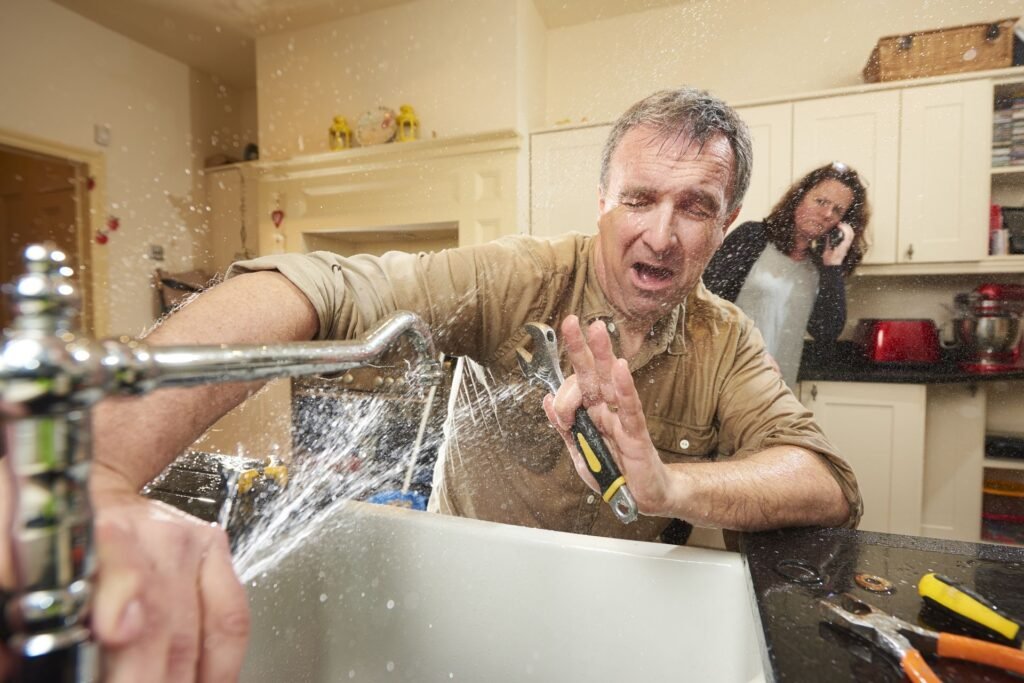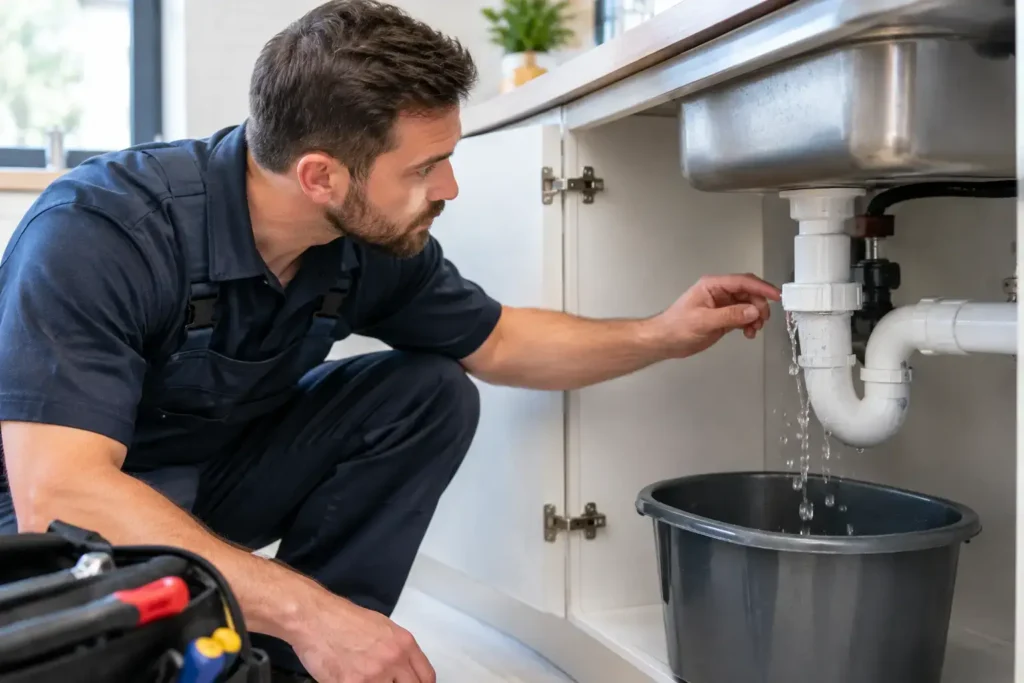
A burst pipe at 6am can turn a normal morning into a race against time. Water may be coming through a ceiling, spreading across a kitchen floor or soaking stock in a shop before anyone has had time to think clearly. A burst pipe insurance claim example shows why the first few decisions matter: stop the water, make the property safe, record the damage and arrange a proper repair.
For homeowners, landlords and business operators, the aim is not to become an insurance expert while water is pouring out. It is to protect people and the building, then give the insurer a clear and truthful record of what happened.
A realistic burst pipe insurance claim example
Imagine a landlord in Hull receives a call from a tenant on a cold January morning. A pipe beneath the bathroom floor has split overnight. Water is dripping through the kitchen ceiling below, damaging light fittings, plasterboard, cupboards and the tenant’s belongings.
The landlord tells the tenant to switch off the water supply at the internal stop tap, where it is safe to do so. They also switch off electricity to the affected area at the consumer unit, rather than touching wet fittings. Towels and buckets reduce the spread of water, and a plumber attends to locate the damaged section, isolate it and replace the failed pipework.
Before clearing everything away, the tenant takes photographs and short videos of the leak, the wet ceiling, the damaged kitchen units and any affected possessions. The landlord keeps the plumber’s invoice, emergency call-out details and a note of when the tenant first reported the issue. The insurer is contacted the same day.
The insurer asks for photographs, the repair invoice and information about the extent of the damage. Depending on the policy, it may consider the cost of resulting water damage, drying, redecorating and some emergency work. The actual replacement of the worn or failed pipe itself may not always be covered. Many policies distinguish between repairing the source of the leak and repairing the damage caused by escaped water.
That distinction catches people out. Never assume a policy will pay for every part of the job. Check the wording, excess and any conditions, then ask the insurer to explain anything that is unclear.
What to do before making the claim
Your priority is limiting further damage, not waiting for permission while water continues to escape. Insurers generally expect policyholders to take reasonable steps to protect the property. That can include turning off the water, moving dry belongings away from the affected area and arranging an emergency plumbing repair.
Do not take risks. If water is close to electrical sockets, lights or appliances, keep clear and arrange for the relevant supply to be isolated safely. If a ceiling is bulging under the weight of trapped water, stay out from underneath it. A collapse can happen without much warning.
Once the immediate flow has stopped, document the scene while it is still visible. Take wide photographs to show each affected room and close-up images of damaged walls, flooring, furniture and pipework where possible. A brief written timeline is useful too. Record when the leak was found, who was present, when the stop tap was turned off and when the plumber arrived.
Keep damaged items unless they create a hygiene or safety issue, or your insurer tells you otherwise. Throwing everything away too quickly can make it harder to evidence a claim. If carpets, furniture or stock need removing, photograph them first and keep receipts for reasonable cleaning, drying or storage costs.
What evidence helps an insurance claim?
A clear claim is usually easier to assess than one built from memory several weeks later. The most useful evidence is practical and straightforward: photographs and videos, a plumber’s report or invoice, receipts for emergency mitigation, a list of damaged items and copies of correspondence with tenants, managers or the insurer.
For a commercial property, add records that show the impact on trading. A café may need to note a temporary closure of the affected seating area. A shop may need photographs of water-damaged stock. A letting agent should keep a record of tenant reports, access arrangements and the actions taken to keep the property habitable.
Be accurate rather than speculative. If you do not know when the pipe began leaking, say that. If a plumber identifies a visible split caused by freezing conditions, include that professional finding, but do not guess at the cause yourself. Honest records protect your position and reduce avoidable delays.
What insurance may cover and where it can differ
Home and commercial policies vary considerably, so there is no single answer to what a burst pipe claim will pay. Cover often depends on the cause of the leak, the type of policy, any exclusions and the level of excess.
Many building policies include escape of water cover for sudden damage caused when water leaks from fixed plumbing. This can include damage to ceilings, walls, fitted kitchens, flooring and decorations. Contents cover may apply to personal possessions, furniture or business equipment, provided it is included in the policy.
However, insurers may treat gradual leaks, poor maintenance, corrosion, worn seals or preventable deterioration differently. They may pay for damage caused by water but not the cost of renewing old pipework. Some policies include trace and access cover, which can help with finding a hidden leak and opening up parts of the property to reach it. The limits can vary, so it is worth checking before authorising extensive investigation work.
Frozen pipes can also raise questions. If a property has been empty during cold weather, insurers may have conditions about maintaining heating, draining systems down or inspecting the building at set intervals. Landlords should read these conditions carefully, particularly during vacant periods between tenancies.
Avoid the mistakes that delay claims
The biggest mistake is delaying action because you are unsure whether you are covered. A small leak can quickly become damaged plaster, swollen flooring, mould risk and disruption for everyone using the building. Stop the water and arrange professional help first.
It is also unwise to carry out a full cosmetic refurbishment before speaking to the insurer, except where urgent safety or drying work is needed. Temporary measures are sensible. Replacing every unit or redecorating an entire floor without agreement could create a dispute about what was necessary.
For landlords and commercial operators, communication matters as much as paperwork. Keep tenants, staff or customers informed about access, water shut-offs and any areas that are unsafe to use. A prompt, calm response can prevent a plumbing emergency from becoming a longer-running complaint.
The plumber’s role in supporting your claim
A plumber cannot decide whether an insurer will accept a claim, but a professional repair record can be valuable. It should explain the visible fault, the work needed to stop the leak and the parts repaired or replaced. Where practical, photographs of the failed section can provide useful supporting evidence.
More importantly, prompt plumbing work reduces the scale of the loss. Replacing a split pipe, repairing a failed connection or isolating a damaged section early can protect ceilings, cabinetry, flooring and neighbouring premises. In flats, shops and shared commercial buildings, that speed is particularly important because water does not respect property boundaries.
After the emergency is under control, ask whether there are signs of other vulnerable pipework, poor insulation, loose fittings or previous water damage. A sensible preventative repair may cost far less than another call-out and another insurance excess.
Preparing for the next cold spell
Burst pipes are more common in freezing weather, but they can happen at any time. Insulate exposed pipework in lofts, garages and outbuildings, repair dripping taps promptly and make sure everyone responsible for the property knows where the stop tap is. If you manage a vacant property, follow the insurance policy’s requirements rather than relying on assumptions.
If you have a leak, a split pipe or water coming through a ceiling in Hull, Beverley or the surrounding area, act quickly. Call HJZ Plumbing on 01482 236483 for practical emergency plumbing support and a tidy repair that helps protect your property from further damage.