A ceiling stain in a ground-floor flat, a blocked toilet affecting several properties, or water running through a shared hallway can quickly raise one difficult question: who is meant to fix it? Communal pipe responsibility is rarely as simple as the pipe being inside or outside your home. In shared buildings, the key issue is usually who owns the pipe, what it serves and what the lease or tenancy agreement says.
Getting clarity early matters. A delay while neighbours, landlords and managing agents debate responsibility can allow a small leak to damage ceilings, flooring, electrics and fittings. For a business, a drainage problem can also affect hygiene, staff facilities and the ability to keep trading.
What counts as a communal pipe?
A communal pipe is generally one that serves more than one flat, unit or occupier. It may run through an individual property, behind a boxed-in wall, under a floor, in a riser cupboard or outside the building. Its location does not automatically make it that occupier’s responsibility.
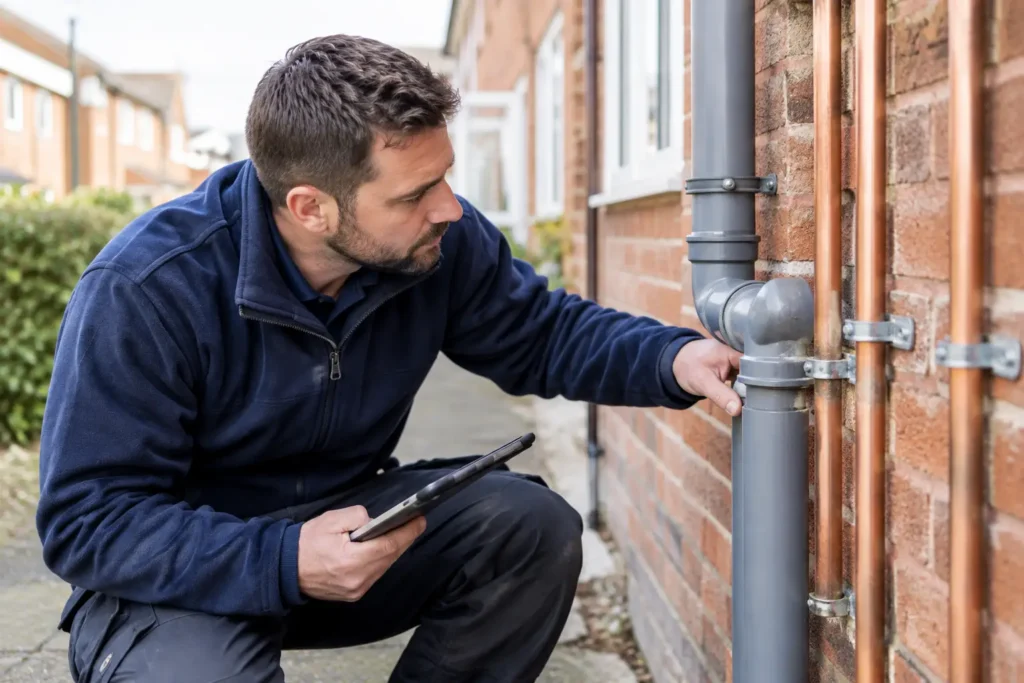
Common examples include a shared soil stack carrying toilet waste from several flats, a communal rainwater downpipe, a shared drainage run, or a rising water main supplying multiple homes. In older converted properties around Hull and East Yorkshire, pipework may have been altered over many years, making the route and ownership less obvious.
Pipes that serve only one home or commercial unit are more likely to be private. A leaking pipe under a flat’s kitchen sink, for example, is normally different from a vertical waste stack receiving water from every property above it. However, the exact answer depends on the building’s legal arrangements and the cause of the fault.
Communal pipe responsibility in flats and shared buildings
For leasehold flats, the freeholder or management company is often responsible for maintaining communal parts of the building. This can include shared pipework, drainage stacks and mains running through communal areas or serving more than one property. The cost may then be recovered through the service charge, depending on the lease.
But there are exceptions. Some leases make individual leaseholders responsible for pipework within their own demised area, even where access is awkward. Others place responsibility for particular shared systems on a residents’ management company. The lease is the starting point, not assumptions based on where water appears.
Tenants should report the issue promptly to their landlord or letting agent. They are not usually expected to interpret a lease or arrange major work to communal systems themselves. A landlord may need to contact the managing agent, freeholder or factor, but that does not remove the need to act quickly if water is escaping or a toilet cannot be used safely.
For commercial premises, responsibility can be set out in the lease and may differ between a shop, office, restaurant or unit within a larger site. A tenant may have repairing duties for internal plumbing, while the landlord retains responsibility for shared drainage, external pipework or building services. Businesses should keep a copy of their lease and have a clear reporting route for out-of-hours faults.
A leak upstairs is not always an upstairs neighbour’s fault
Water travels. The point where it shows up is often some distance from the point where it started. A stain below a bathroom may come from a failed shower seal, a leaking waste connection, a cracked pipe in a floor void or a blockage forcing water back through a shared stack.
This is why a proper inspection is worth arranging before anyone agrees to costly work. Replacing a section of pipe without finding the source can lead to repeated callouts and more disruption. A plumber can assess visible pipework, check fittings, trace the likely route of the leak and identify whether the problem appears to be private, shared or connected to the wider drainage system.
In some cases, access is the practical challenge. The failed section may be behind a tenant’s bath panel, but the pipe itself may serve several properties. The party responsible for repair may need to arrange access, while occupants should be given clear notice where possible. When water damage is actively spreading, temporary access and isolation may need to happen much faster.
What to do when a shared pipe fails
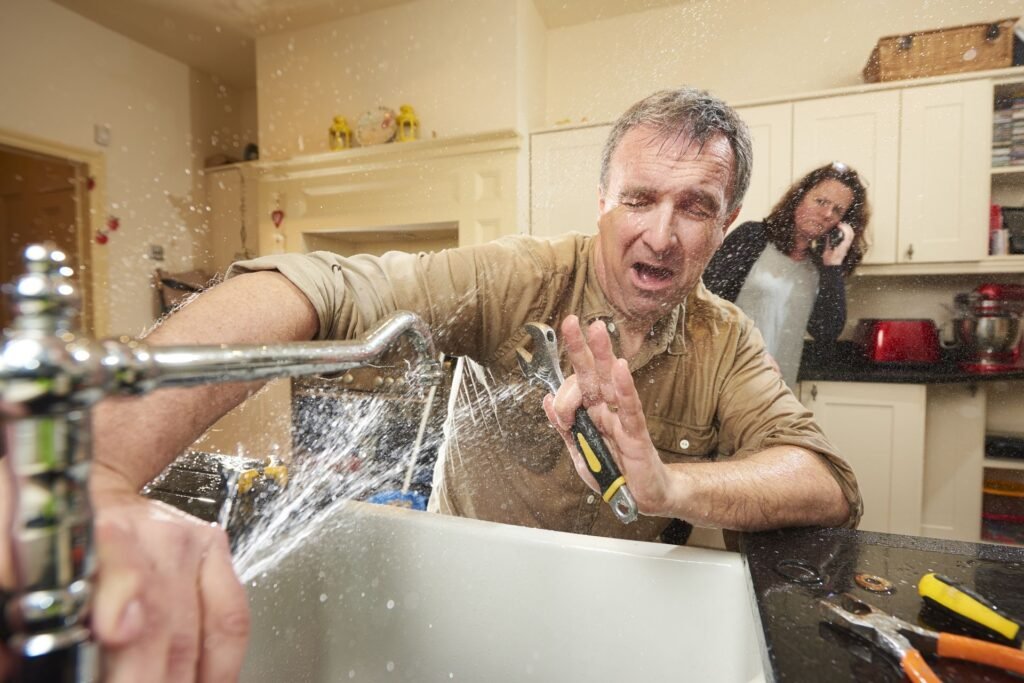
If water is flowing, first reduce the immediate risk. Turn off the local isolation valve if it is safe and you know which valve controls the affected fitting. If the leak cannot be isolated locally, use the property’s internal stop tap where appropriate. Move belongings away from the area, avoid using electrical items near water and collect drips in a container if it is safe to do so.
For a blocked communal waste pipe, stop using the affected toilets, sinks or appliances until the cause is checked. Continuing to flush or run water can force wastewater back into the lowest property, creating an unpleasant and potentially serious hygiene problem.
Take clear photos and note when the issue started, which rooms are affected and whether neighbours have similar symptoms. This helps the landlord, managing agent or plumber understand whether the fault is likely to be shared. Report it in writing as well as by phone where possible, particularly for rental and managed properties.
Do not wait for responsibility to be agreed before dealing with an active leak or sewage backup. Emergency work can limit damage, then the responsible parties can address the cost once the cause and ownership are clearer. Keep invoices, photos and reports, as they may be useful for insurance or service-charge discussions.
The difference between water supply and drainage problems
Not all communal pipes behave in the same way. Water supply pipes are pressurised, so even a pinhole leak can release a surprising amount of water. A shared supply issue may show up as poor pressure, no water to several flats, a constantly running meter or dampness around a riser or service cupboard.
Drainage pipes rely on gravity. A blockage can affect one property at first, then spread to others as the pipe fills. Slow-draining sinks, gurgling toilets, foul smells and water rising in a shower tray are warning signs that should not be ignored, especially in a block or mixed-use building.
There is also a point at which external drainage responsibility may pass to the local water and sewerage company. This can depend on the type and route of the drain, where it runs and whether it serves more than one property. A plumber can help identify the likely fault and advise on the sensible next step, but the utility provider may need to become involved for certain sewer issues.
Preventing disputes and repeat damage
The best time to understand responsibility is before a pipe fails. Landlords and managing agents should keep maintenance records, know where stop taps and access panels are located, and make sure occupiers know who to call in an emergency. Hotels, cafés, schools and other occupied buildings benefit from the same approach because a small fault can quickly disrupt customers, staff or visitors.
Regular checks of exposed pipework, shared toilets, sinks, shower rooms and drainage points can pick up early warning signs. Look for staining, corrosion, persistent odours, loose connections, slow drainage and recurring blockages. Repeated minor issues are rarely something to keep patching indefinitely. They usually point to a pipe, joint, fall or drainage run that needs a more lasting repair.
Clear communication also protects everyone involved. If a plumber finds that a leak originates from a private appliance connection rather than a communal stack, that can be explained with practical evidence. If the fault is on a shared pipe, a concise report helps the managing agent arrange the right repair without more delay.
When to call a plumber
Call for urgent help if water is coming through a ceiling, a pipe has burst, wastewater is backing up, several properties have lost water, or a toilet leak is affecting floors below. These are not faults to monitor overnight. Fast action can prevent damaged plasterboard, ruined flooring, mould growth and avoidable disruption.
For less urgent symptoms, such as a recurring slow drain or an unexplained damp patch, booking an inspection early is still the sensible choice. It is often easier and less expensive to repair a failing joint or clear a developing blockage before it becomes an emergency affecting several occupiers.
If you have a suspected shared leak, blocked communal drain or uncertain communal pipe responsibility in Hull, Beverley or the surrounding area, call HJZ Plumbing on 01482 236483. A prompt inspection and clear advice can help protect the property while the right people take responsibility for the repair.