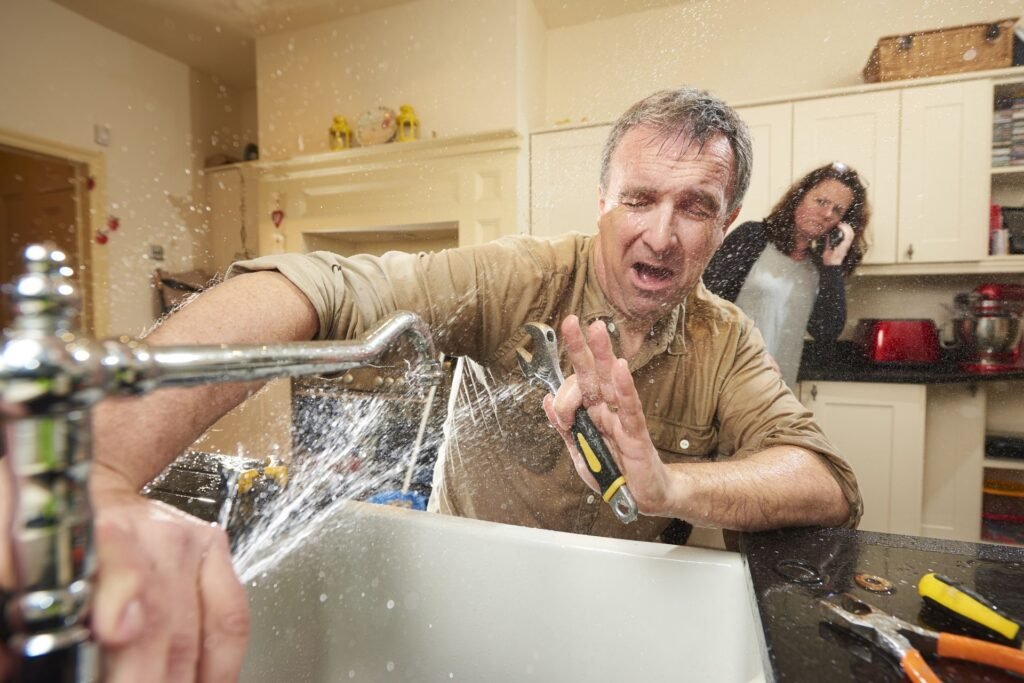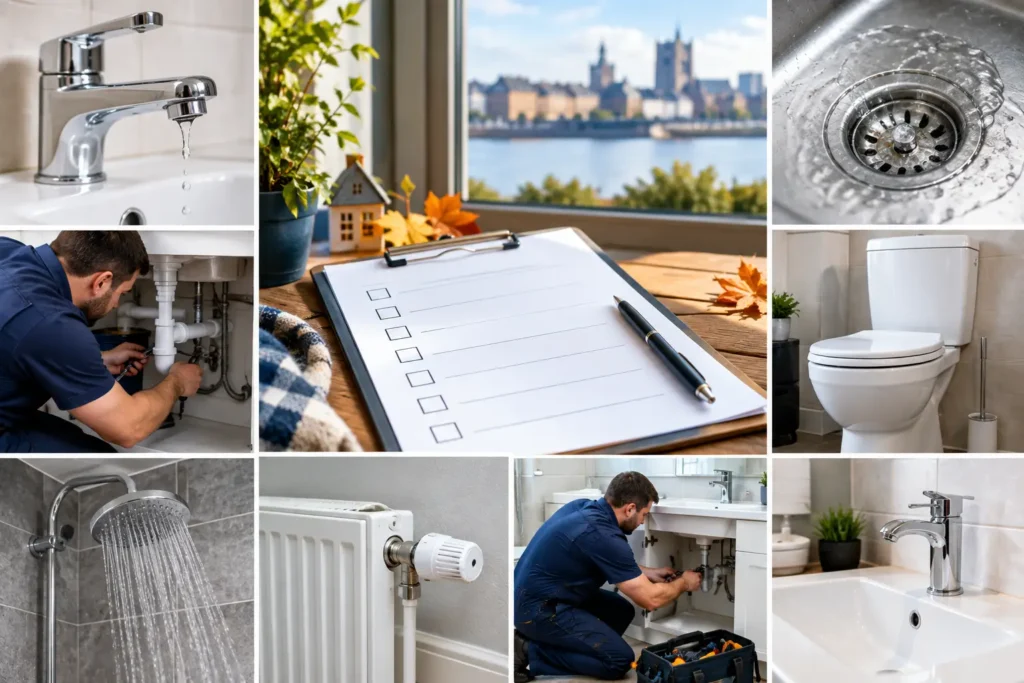
A small drip beneath the kitchen sink or a toilet that takes a little longer to refill can be easy to ignore. Yet these are often the early signs of a fault that can lead to damaged cupboards, stained ceilings, unpleasant smells or a much more disruptive repair. This Hull home plumbing checklist helps you spot problems while they are still manageable, whether you own your home, manage a rental property or look after a busy commercial premises.
You do not need specialist tools to carry out most of these checks. The aim is to notice changes, act promptly and know when a professional repair is the sensible option. A clean, dry and reliable plumbing system protects the building as well as the people using it.
Start with signs of hidden leaks
Not every leak leaves a puddle on the floor. Water can travel along pipes, behind units and through ceilings before it becomes obvious. Take a few minutes each month to look under sinks, around toilets, behind washing machines and dishwashers, and near any visible pipework.
Check for damp patches, swollen cupboard bases, peeling sealant, rust on pipe joints and a musty smell. Water marks on a ceiling below a bathroom are particularly worth acting on quickly. The source may be a leaking waste pipe, failed shower seal, loose connection or a problem with the toilet fitting above.
Your water meter can also provide a useful clue. Turn off taps and make sure appliances are not using water, then note the meter reading. If it changes after an hour or two without water being used, a hidden leak could be present. This does not identify the location, but it is a good reason to arrange an inspection rather than waiting for visible damage.
Hull home plumbing checklist for kitchens and bathrooms
Kitchens and bathrooms work hard every day, so minor faults tend to show themselves there first. Run each tap and look at the flow. Weak pressure at one fitting may be caused by a blocked aerator or a worn tap component, while poor flow across several outlets needs a more careful assessment.
Listen for dripping after taps are turned off. A persistent drip wastes water and may worsen as the internal washer or cartridge wears. Also look around the base of taps and pipe connections for moisture, especially after the tap has been running.
In the bathroom, flush every toilet and make sure it clears properly, refills normally and stops running. A toilet that continues to trickle into the pan can waste a surprising amount of water. Movement at the base, water around the pan or an unreliable flush should not be left for later, particularly in rental homes, cafés, offices and other occupied properties where a toilet out of action quickly becomes a hygiene issue.
Check shower performance too. Water escaping around a shower screen, cracked grout, damaged silicone or loose tiles can allow water behind the wall finish. The shower may still appear to work perfectly, but the structure behind it could be getting wet each day. Replace failing sealant early and have recurring leaks investigated properly.
Keep drains moving before they block
Slow drainage is rarely something that improves on its own. In kitchen sinks, grease, food debris and detergent residue can build up inside the waste pipe. In showers and basins, hair and soap deposits are common causes. Clear removable plugs and traps carefully where safe to do so, and rinse sinks through regularly with hot water.
Avoid pouring cooking fat or oil down the sink. Even when chased with hot water, it can cool and stick to the pipework further along. Wipes, cotton buds, sanitary products and excess food waste also belong in the bin, not the toilet or drain.
If water is backing up, several outlets are draining slowly, or you notice gurgling and unpleasant odours, stop treating it as a simple blockage. These signs can point to a restriction further along the drainage system. Repeated use of harsh chemical products is not always the answer and can be hard on pipework and seals. Professional drain cleaning is often the safer route when a blockage keeps returning.
Test valves, appliances and external taps
Knowing where your internal stop tap is can make a major difference when a pipe starts leaking. It is commonly located beneath the kitchen sink, in a utility area, under the stairs or close to where the mains supply enters the property. Make sure responsible adults in the household or staff responsible for the premises know its location.
If the stop tap has not been moved for years, it may be stiff or seized when you need it most. Do not force it. A plumber can check and replace a faulty valve, giving you confidence that the water supply can be isolated in an emergency.
Look behind washing machines and dishwashers for kinked hoses, corrosion, drips and signs of movement at the connections. These appliances are often pushed tightly against the wall, which makes small leaks easy to miss. It is also sensible to inspect outdoor taps, especially before cold weather. A dripping external tap or split fitting can cause avoidable trouble when temperatures fall.
Give radiators a simple performance check
Radiators should heat evenly across their surface. A cool area at the top can suggest trapped air, while cold patches lower down may point to sludge or restricted circulation. These symptoms do not always require the same solution, so it is worth having persistent poor performance checked rather than repeatedly trying temporary fixes.
Look around valves and pipe joints for small drips or green staining. Even a slow leak can damage flooring or leave a radiator unable to perform as it should. If you hear regular banging, gurgling or rushing noises, make a note of when they occur. Clear information helps a plumber diagnose the issue faster.
Prepare for holidays, vacant homes and rental changeovers
Plumbing faults often cause the greatest damage when nobody is present to spot them. Before leaving a property empty for more than a few days, check for existing drips, clear sinks and shower trays, and make sure appliances are not showing signs of leakage. Depending on the property and length of vacancy, isolating the water supply may be sensible.
Landlords and letting agents should make plumbing checks part of each inspection and changeover. Ask tenants to report slow drains, dripping taps, loose toilets and damp patches as soon as they notice them. Early reporting is not a nuisance – it is how a minor repair stays minor.
For restaurants, cafés, hotels, shops and offices, arrange checks at quieter times where possible. A blocked sink, failed toilet or leak in a staff area can interrupt service, create hygiene concerns and affect customers as well as staff. Keeping a record of recurring faults can reveal whether a repair is needed or whether an older fitting is approaching the end of its useful life.
Know when to call for urgent help
Some plumbing problems should not wait for a convenient appointment. Turn off the water supply if it is safe to do so and seek prompt help for a burst or actively leaking pipe, water coming through a ceiling, an overflowing toilet, sewage backing up, or a blockage that is affecting essential facilities.
For less urgent issues, such as a dripping tap or slow-draining basin, booking a repair sooner still makes good financial sense. Water damage is rarely limited to the first place it appears. What starts as a worn seal can affect units, flooring, plasterwork and neighbouring areas if left unchecked.
A regular check does not replace skilled repair work, but it gives you the best chance of catching faults before they disrupt your home, tenants or trading day. If you have found a leak, blockage, faulty toilet, shower problem or recurring plumbing issue in Hull or the surrounding area, contact HJZ Plumbing on 01482 236483 or through www.hjzplumbing.com for clear advice and a practical repair.