A lead water pipe is easy to ignore until something goes wrong. You notice low pressure at the kitchen tap, a damp patch near the incoming main, or discoloured water after a repair nearby. At that point, lead pipe repair stops being an abstract maintenance job and becomes a question of safety, disruption and cost.
For older properties, especially those built before lead pipework was phased out, this is still a live issue. Homeowners, landlords and commercial property managers often inherit older pipe runs without realising it. In occupied buildings, that can create concerns not just about leaks, but about water quality, tenant complaints and the risk of a small problem turning into a more expensive one.
When lead pipe repair becomes urgent
Not every lead pipe fault announces itself dramatically. Sometimes the first sign is reduced flow at one outlet, a repeated leak around an older joint, or pipework that has started to distort or corrode where it meets newer materials. In other cases, the warning sign is practical rather than visible. Water pressure drops during busy periods, taps spit and splutter, or a property owner starts asking why plumbing issues keep returning in the same area.
Urgency depends on the condition of the pipe and where the fault sits. A minor issue on an accessible section may allow for a planned repair visit. A leaking supply pipe under a floor, in a wall, or close to electrical fixtures is more serious. In tenanted homes, schools, cafés or offices, even a modest leak can quickly become disruptive. Wet flooring, stained ceilings, hygiene concerns and temporary loss of water supply all carry a cost beyond the repair itself.
There is also the wider question of the pipe material. Lead pipework is old by definition. Even if one section can be repaired, the surrounding run may still be at the end of its useful life. That is why a good plumber will not treat every lead pipe repair as a simple patch job. The right answer depends on condition, access, risk and how long the customer needs the solution to last.
What lead pipe repair actually involves
Lead is softer and behaves differently from modern pipe materials, so repairing it takes care and judgement. This is not a job for guesswork. The first step is identifying the exact problem. That may be a pinhole leak, a split, a failing connection, impact damage, or movement where an old lead pipe has been joined to copper or plastic.
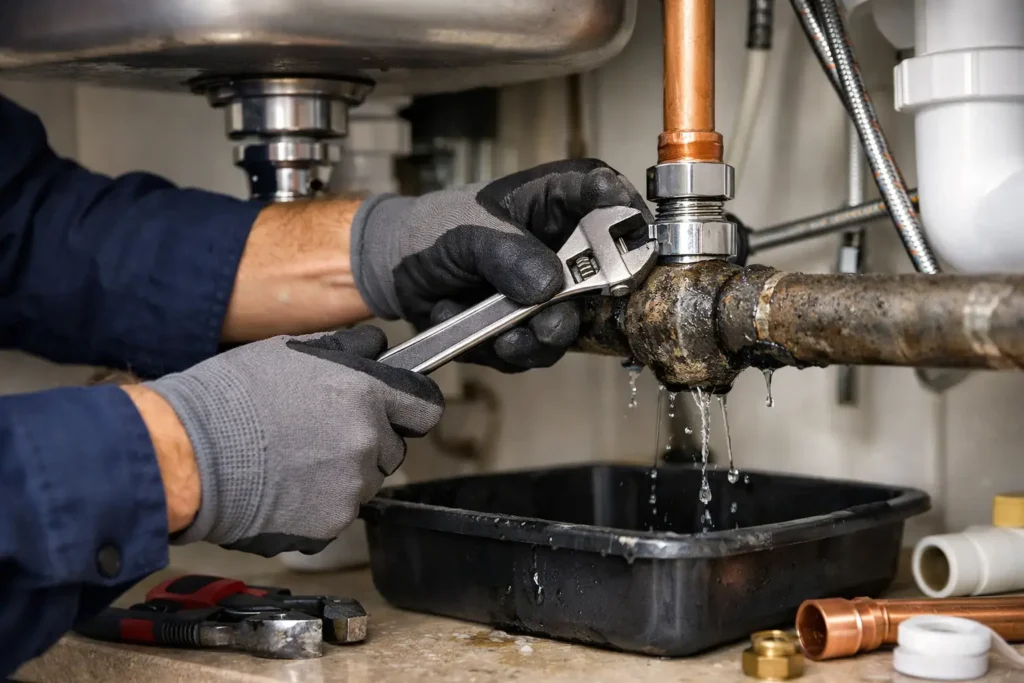
Once the fault is found, the repair options vary. In some situations, a localised repair to a short exposed section may be possible. In others, the safest and most sensible route is to replace the damaged part and reconnect using suitable modern materials. If the pipe is badly worn, distorted or difficult to access, a full section replacement often makes more sense than trying to preserve old pipework that is likely to fail again.
That balance matters. A cheaper short-term repair can look attractive when there is a leak to stop quickly. But if the pipe is fragile throughout, repeated callouts, reinstatement work and ongoing disruption can cost more than doing the job properly once.
Repair or replacement?
This is usually the main question customers want answered. The honest answer is that it depends.
If the damaged area is limited, accessible and the rest of the pipe is in reasonable condition, a targeted repair may be enough to restore service safely in the short term. That can be useful when speed matters, especially in occupied homes or business premises where water needs to be back on quickly.
If the pipe shows signs of age-related weakness along its length, if there have been previous leaks, or if the property is being refurbished, replacement is often the better investment. This is especially true where the incoming main or internal supply pipe is still lead and the owner wants to reduce future risk rather than keep chasing repairs.
For landlords and commercial operators, replacement can also be the more practical route from a management point of view. Fewer recurring faults mean fewer tenant complaints, less interruption to trading and less chance of emergency attendance later.
Signs you may still have lead pipes
Many property owners are not sure what material their water supply pipe is made from. In older properties, lead pipework may be hidden under floors, behind units or buried where the supply enters the building. Still, there are a few clues.
Lead pipes are usually dull grey rather than bright metallic. They can feel softer than copper, and scratched lead often reveals a shinier silver-coloured surface beneath. Older pipe runs may also have unusually formed bends rather than the more standard fittings seen with modern materials. If you are unsure, it is worth having the pipework checked rather than assuming all visible plumbing has already been updated.
That matters because visible pipe replacement in kitchens or bathrooms does not always mean the full supply has been modernised. Sometimes the exposed sections have been updated over the years while older lead pipe remains at the entry point or under the property.
Why older pipework creates more than one problem
Leaks are the obvious concern, but they are not the only one. Old supply pipework can contribute to pressure issues, unreliable flow and awkward repair histories where one weak point is fixed only for another to fail months later. In busy properties, that can become a real operational problem.
For homeowners, repeated plumbing faults create stress and often lead to damage in decorated areas, cupboards or flooring. For landlords and letting agents, they bring complaints, scheduling pressure and the need to coordinate access around tenants. For shops, cafés, schools and offices, even a short disruption to water supply can affect hygiene, opening hours and staff welfare.
This is why early action matters. The sooner a problem is assessed, the more likely it is that repairs can be planned cleanly and carried out with less mess and less interruption.
What to expect during lead pipe repair work
A professional approach starts with clear advice. The pipe needs to be inspected, the issue identified and the likely repair route explained in plain terms. Customers should know whether the work is a temporary measure, a durable repair or part of a wider recommendation to replace ageing pipework.
Access is often the deciding factor in how straightforward the job will be. A lead pipe under a sink is very different from one running below a solid floor or through a wall. Where sections are hidden, there may need to be some opening up to reach the damaged area safely. Good workmanship is not just about fixing the pipe. It is also about working tidily, protecting the property and keeping disruption under control.
Water will usually need to be isolated during the repair. In occupied homes and business premises, it helps to plan that sensibly, especially where there are customers, staff, children or vulnerable occupants on site. The best plumbing work is practical and respectful. It solves the fault without creating unnecessary hassle around it.
Lead pipe repair in rented and commercial properties
Older plumbing in a rented house or commercial unit can turn into a management problem very quickly. If a tenant reports low pressure, damp smells or an unexplained leak, delaying action rarely helps. Minor water ingress has a habit of becoming damaged ceilings, swollen joinery or mould complaints.
In hospitality and retail settings, a plumbing issue also affects customer experience. Toilets, wash areas and kitchen supply points need to work properly. In schools and offices, water supply problems can interrupt normal use of the building and create safeguarding or hygiene concerns if left unresolved.
That is why the response needs to be quick, but not rushed. A proper inspection followed by honest advice is far more useful than a quick fix that does not deal with the wider problem.
When to call for help
If you suspect an older supply pipe is leaking, if your property still has lead pipework, or if you are dealing with recurring pressure or water quality concerns, it is worth getting the system checked sooner rather than later. The right repair at the right time can prevent damage, reduce repeat faults and give you a clearer view of whether repair or replacement is the sensible next step.
HJZ Plumbing helps homeowners, landlords and commercial customers across Hull and the surrounding area with practical plumbing repairs that put safety, speed and tidy workmanship first. If you need advice on lead pipe repair, call 01482 236483 or visit www.hjzplumbing.com to arrange a visit. Acting early is often the simplest way to avoid a much bigger plumbing problem later.