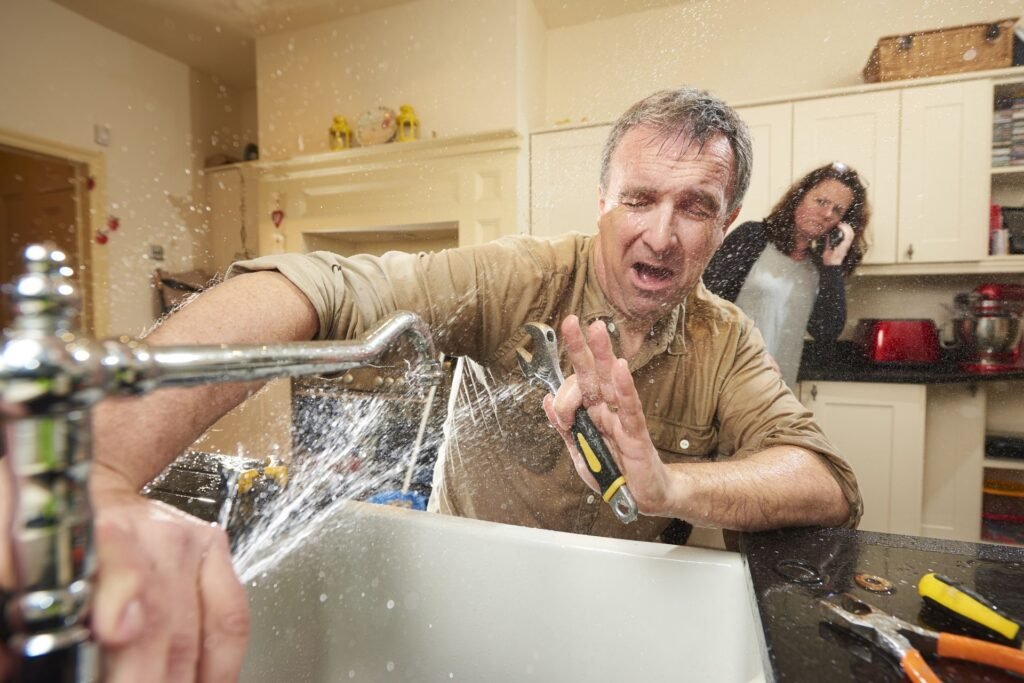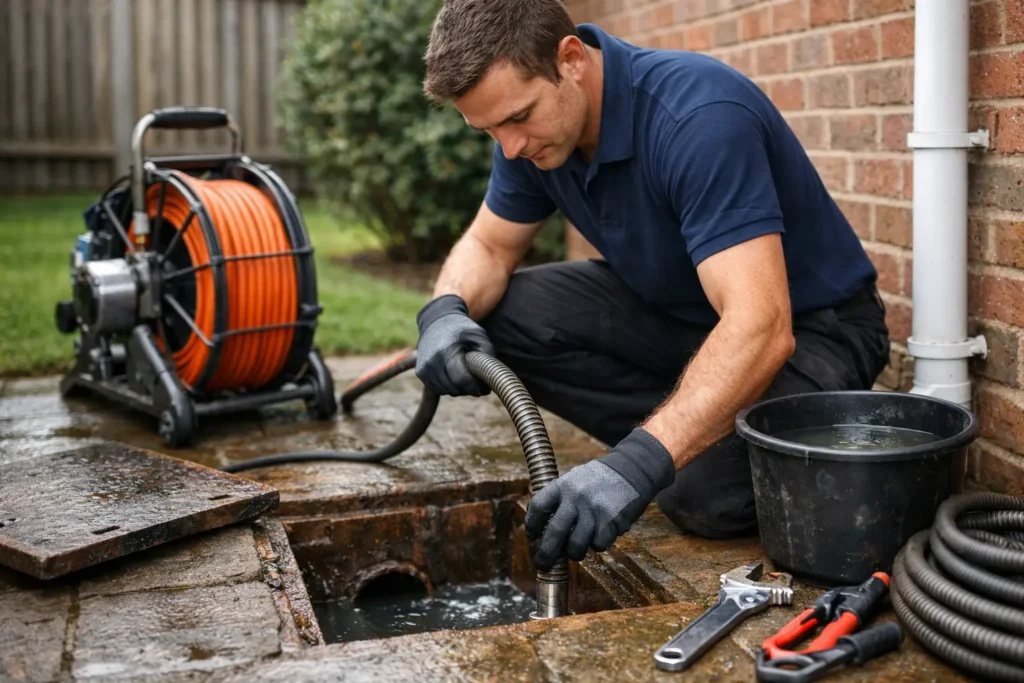
A bad drain rarely stays a small problem for long. What starts as a slow kitchen sink, a toilet backing up, or an outside gully overflowing can quickly turn into unpleasant smells, hygiene concerns, water damage and disruption at home or at work. If you need drain repair Hull services, the main priority is not just getting water moving again. It is finding the actual fault and putting it right before it comes back.
For homeowners, that might mean preventing damage to floors, cupboards or bathroom finishes. For landlords and letting agents, it often means dealing with tenant complaints before the issue affects more of the property. For cafés, takeaways, hotels, schools and offices, a drainage fault can affect staff, customers and day-to-day operations far faster than people expect.
When drain repair in Hull is the right call
Not every blocked drain needs a major repair. Sometimes the problem is a straightforward build-up of grease, food waste, soap residue, wipes or scale that can be cleared quickly. But there are times when a proper repair is the sensible next step, especially if the same drain keeps causing trouble.
Repeated blockages are one of the clearest warning signs. If a sink, toilet or waste pipe keeps backing up after being cleared, there is usually an underlying issue. That could be a damaged section of pipe, poor alignment, a partial collapse, root ingress, or a section holding waste because it no longer drains properly.
Slow drainage across more than one fitting also points to something more serious. If the kitchen sink is slow, the downstairs toilet is gurgling and there is a bad smell outside, the problem may be further along the system rather than in one local trap. In those cases, a quick unblock is often only a short-term fix.
Common signs your drain may be damaged
Some drainage faults are obvious, but others build up gradually. The early signs are often easy to ignore until the problem becomes urgent.
A persistent unpleasant smell is one of the most common clues. If there is a foul odour near sinks, toilets, outside drains or utility areas, it may mean waste water is not flowing away as it should, or that a crack in the pipe is allowing smells to escape.
Unusual sounds matter too. Gurgling from plugholes or toilets can mean trapped air caused by a blockage or restricted flow. Water levels rising and falling strangely in toilets can point to the same issue.
Outside, look out for standing water around gullies, damp patches that do not dry out, or drains that overflow during normal use rather than only in heavy rain. Inside, staining, damp smells and repeated waste water backflow should never be left to chance.
What causes drain damage?
In domestic properties, misuse is a frequent cause. Fat, oil, food scraps, wipes, sanitary products, excessive toilet paper and soap build-up can all create stubborn blockages. Over time, pressure on the system can expose weak joints or make existing defects worse.
In commercial settings, the causes can be more varied. Kitchens in restaurants, cafés and takeaways often deal with grease-heavy waste. Toilets in busy premises see heavier use and a wider range of unsuitable items flushed away. In schools, offices and public-facing buildings, high usage means small issues can become bigger ones quickly.
Age also plays a part. Older pipework may have worn joints, corrosion, movement in the ground or sections that have settled over time. Tree roots are another common problem, especially in outside drains. Roots naturally seek moisture and can enter tiny gaps in the pipe, then expand and trap debris until the line starts failing.
Drain repair Hull: why the cause matters more than the symptom
A lot of drainage problems look the same on the surface. Water drains slowly. A toilet backs up. A smell appears. But the correct repair depends on what is happening inside the system.
That is why guessing can be expensive. If the issue is only a grease blockage, clearing it may solve the problem. If the pipe is cracked or offset, clearing it without dealing with the damage usually means the blockage will return. If a section has collapsed, repeated unblocking just wastes time and money while the property remains at risk.
Good drainage work starts with identifying the fault properly. The right approach may be a targeted repair to one damaged section, replacing a failed fitting, resealing a joint, clearing root ingress, or carrying out more extensive work where the pipe has deteriorated beyond a sensible repair. The best option depends on access, the age of the system, the extent of the damage and how urgent the situation is.
Why acting early saves money and stress
Drain issues have a habit of getting more disruptive at the worst possible time. A small leak or partial blockage can become a full backup when the system is under pressure, often during busy periods in family homes or trading hours in commercial premises.
Early action usually means a smaller repair, less mess and lower overall cost. Leave it too long and the problem can spread beyond the drain itself. Water can damage flooring, skirting, plaster, kitchen units and decorations. In rental properties, unresolved drainage faults can lead to complaints, emergency callouts and avoidable property damage. In hospitality or retail settings, hygiene concerns can affect customer areas, staff facilities and service continuity.
There is also the simple issue of inconvenience. Most people can manage a short repair far more easily than repeated disruption from a problem that was never fully fixed.
Domestic and commercial drain repairs are not always the same
The principles are similar, but priorities can differ. In a home, the main concern is often restoring normal use quickly and protecting the property from damage. Families need working toilets, sinks, showers and kitchen waste pipes without delay.
For landlords and property managers, speed matters, but so does reliability. A temporary fix that leads to another tenant complaint next week is not much of a solution. Clear communication, sensible advice and a repair that addresses the cause are what really matter.
In commercial buildings, downtime can be costly. A blocked or damaged drain in a café kitchen, hotel washroom, school toilet block or office can affect staff, visitors and trading. Repairs may also need to be planned around opening hours, access and the practical realities of an occupied site. That is why a calm, practical approach is so important.
What to do while waiting for a plumber
If waste water is backing up, stop using the affected sink, toilet or appliance if you can. Continued use may make the overflow worse. Clear the area around the problem to protect flooring, stock or belongings, and keep people away from contaminated water.
Avoid pouring harsh chemical cleaners into a drain that may already be damaged. They do not solve structural faults, and in some cases they can make later work more unpleasant or less safe. If the issue is outside, keep an eye on where water is gathering, as this can help show whether the fault is localised or affecting a wider section.
If you manage a rental or commercial property, it also helps to note what has been happening. When did the issue start, which fittings are affected, and has it happened before? That kind of information can speed up diagnosis and help the repair go more smoothly.
Choosing a local plumber for drain repair
When drainage problems are causing stress, people want the same basic things. They want someone to turn up, explain the problem clearly, work tidily and fix it properly. That matters just as much as technical ability.
A dependable local plumber understands the kinds of property issues common across Hull and surrounding areas, from older pipework in established homes to the practical demands of busy commercial premises. Just as importantly, they understand that customers are often dealing with urgency, inconvenience and worry. Clear advice and honest recommendations go a long way.
The best repair is not always the biggest job. Sometimes a straightforward targeted fix is all that is needed. Other times, being honest about a more serious defect saves the customer from repeated breakdowns and repeated costs. A trustworthy plumber will tell you which is which.
Drain faults do not improve by themselves, and they rarely stay neatly contained. If you have a blocked, leaking or damaged drain, getting it checked early is the best way to protect your property and avoid more disruption. If you need practical help from a trusted local plumber, contact HJZ Plumbing on 01482 236483 or visit www.hjzplumbing.com to arrange support. A prompt repair now is often the difference between a manageable fix and a much bigger problem later.