A heat pump can be specified correctly and still disappoint if the pipework is poorly planned or fitted. Leaks, heat loss, poor circulation and untidy alterations can all affect comfort, running costs and the condition of your property. Good heat pump pipework is not simply a matter of joining pipes together. It needs to suit the building, protect the system and remain accessible for future maintenance.
For homeowners, landlords and property managers, this matters long after the installation team has left. Pipework hidden behind boxing, run through a kitchen or routed around a commercial premises needs to be secure, insulated and sensibly positioned. Getting those details right early helps avoid water damage, disruption and expensive remedial work later.
What heat pump pipework needs to do
A heat pump moves heat around a property through a water-based heating system. The pipework carries that water between the heat pump, any cylinder or buffer vessel, radiators or underfloor heating, and the controls and safety components that keep the system working properly.
Unlike a quick repair to a visible pipe, this is a complete route through the building. Pipe sizes, lengths, bends, insulation and connection points all influence how easily water can circulate. If flow is restricted, the system may struggle to deliver the heat expected. If pipework loses heat where it should not, efficiency can suffer and some areas of the property may feel cooler than others.
The right arrangement depends on the heat pump design and the property itself. A compact modern home with underfloor heating will have different requirements from an older house with existing radiators, or a café that needs hot water and heating without interrupting opening hours. There is no sensible one-size-fits-all layout.
Planning heat pump pipework before work starts
The best time to deal with pipework is during the survey and design stage, not when walls are already open or a new floor has been laid. A clear plan should consider where the outdoor unit sits, how pipes enter the building, where the hot water cylinder or other equipment will be located, and how the pipework reaches each heated area.
The shortest route is not always the best route. Pipes may need to avoid vulnerable external walls, busy walkways, electrical services or spaces where they cannot be maintained. In a rental property, for example, a route that is easy to reach may be far more practical than one concealed behind a permanent kitchen unit. In a restaurant, pipe runs need careful thought so they do not compromise hygiene, storage or day-to-day operations.
It is also worth considering the appearance of the finished job. Exposed pipework can sometimes be installed neatly and safely, particularly in utility areas or plant rooms. Elsewhere, boxing may be preferred. Boxing should never make valves, filters or key joints impossible to inspect. If a small leak develops, early access can be the difference between a straightforward repair and damage to cupboards, flooring or ceilings.
Pipe size and flow matter
Pipe size is not chosen by appearance. It must match the system design and the amount of water the heat pump needs to move. Pipes that are too small can restrict flow, create noise and make it harder for the system to operate efficiently. Oversized pipework may be unnecessary, costly and difficult to route neatly.
Long runs and multiple bends also add resistance. That does not mean every bend is a fault, but it does mean the layout needs to be planned rather than improvised. A qualified installer will calculate what is required for the system. If you are arranging building work around a new heat pump, make sure allowances are made for the correct pipe routes before plastering, tiling or decorating begins.
Insulation protects performance and property
Insulation around pipework is often overlooked because much of it is out of sight. It should not be treated as an optional finishing touch. Well-fitted insulation helps reduce unwanted heat loss and protects pipes in colder areas such as lofts, garages, cupboards against external walls and external runs.
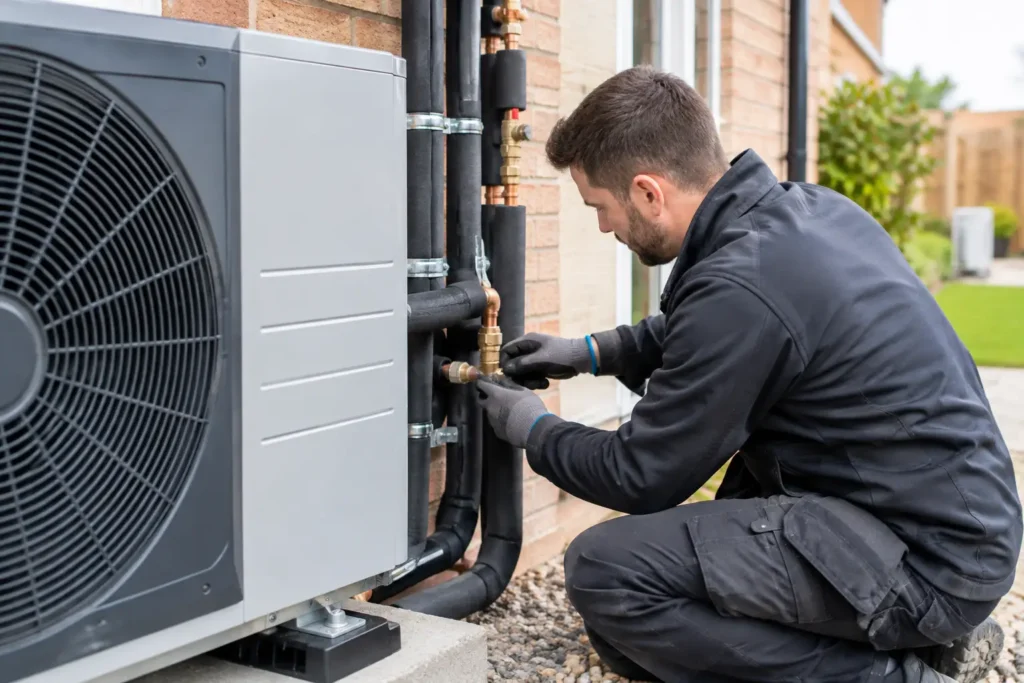
Outside pipework needs particular attention. It should be suitably protected from weather, accidental knocks and frost risk. Joints, supports and coverings need to remain secure over time, not just look tidy on the day of installation. Damaged or missing insulation should be dealt with promptly, especially before colder weather arrives.
Common pipework problems to watch for
Some issues show themselves quickly. A damp patch under a pipe, drips from a joint, staining on a ceiling or a sudden drop in water pressure all need prompt attention. Other problems are quieter: recurring air in the system, unevenly heated rooms, vibration, gurgling sounds or visible corrosion around a connection.
Do not assume every issue is caused by the heat pump itself. A poorly supported pipe can move and place stress on joints. A small hidden leak can gradually damage plasterboard, timber or insulation. Old radiator pipework may also reveal weaknesses once a system is altered or pressure and flow conditions change.
Look out for these warning signs:
- damp patches, mould growth or staining near boxed-in pipes, ceilings and cupboards;
- repeated loss of pressure or a need for frequent topping up;
- cold rooms, noisy circulation or radiators that do not heat evenly;
- cracked insulation, loose external coverings or pipes that move when touched;
- green or white residue around joints, valves and fittings.
Landlords and commercial operators should take reports of damp, unusual noise or poor heating seriously, even if the property is still warm. Acting early protects tenants, customers and staff, while reducing the chance of a more disruptive leak during a busy period.
Existing pipes may need attention too
A heat pump project can involve connecting to existing radiators and distribution pipework. In some properties, the existing layout is suitable with sensible improvements. In others, old, undersized or badly routed pipes can hold the whole system back.
Before relying on existing pipework, consider its age, condition and history. Have there been leaks under floors? Are radiators slow to warm up? Is there evidence of sludge, corrosion or repeated repairs? A system that has had years of minor problems may need more than a new heat source to perform well.
Cleaning and improving the heating distribution system can be part of preparing a property for new equipment. This may include repairing weak sections, replacing worn valves, improving radiator connections or carrying out a power flush where appropriate. The correct approach depends on the condition of the system, not a standard sales checklist.
Keeping pipework serviceable after installation
Once walls and floors are finished, pipework is easy to forget. A little sensible care prevents small faults from becoming major ones. Keep access panels clear, do not fix shelving or cabinets through suspected pipe routes, and check visible pipes and insulation from time to time. If your property is being renovated, make sure every contractor knows where heating and water pipes run before drilling or cutting.
For occupied commercial premises, planned checks are particularly useful. A leak in a staff area, hotel bedroom or shop ceiling can quickly affect trading and customer confidence. Scheduling inspections around quieter periods is usually far easier than dealing with an emergency closure or a damaged ceiling during service.
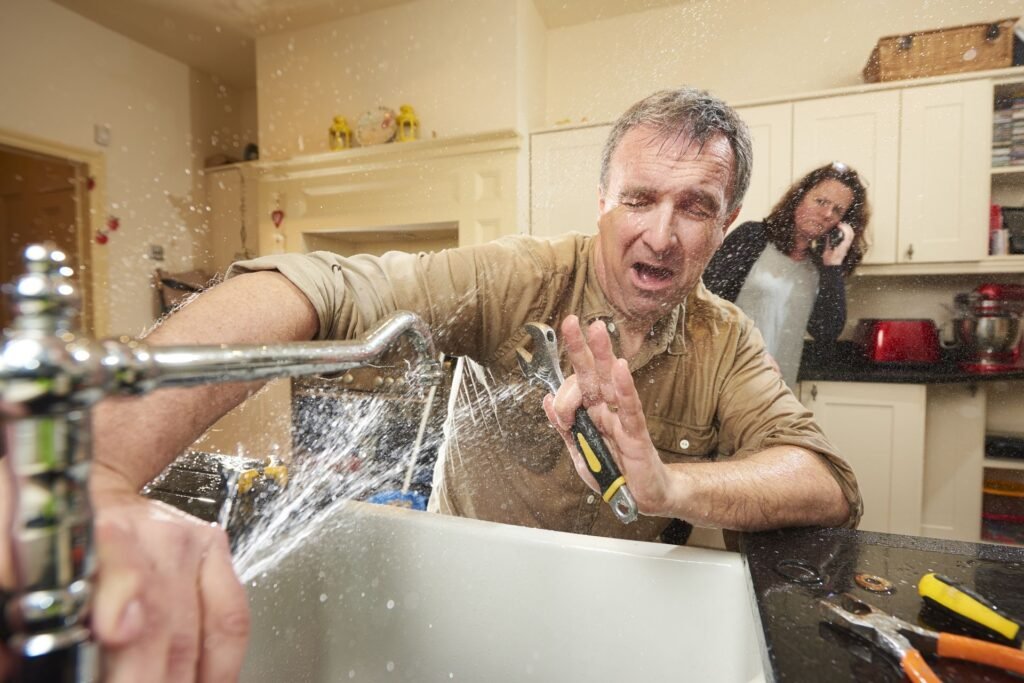
If you notice a leak, staining or pipework that has been disturbed, avoid waiting to see whether it gets worse. Isolate the water supply if safe to do so, protect the area below from drips and arrange a professional inspection. Quick action can save carpets, stock, furniture and internal finishes.
A properly planned system should feel unobtrusive: warm rooms, orderly pipe routes and no mystery damp patches. If your pipework needs repairing, altering or checking as part of an installation or property upgrade, HJZ Plumbing can provide practical, tidy support across Hull and the surrounding area. For clear advice and prompt help, call 01482 236483.