A shower that runs hot then cold, struggles for pressure, or takes too long to settle is more than an annoyance. It can disrupt the morning routine, frustrate tenants, and leave a bathroom feeling like another job waiting to be dealt with. If you are weighing up an electric shower or mixer shower, the right choice usually comes down to your water system, your expectations, and how much disruption you want during installation.
Some people assume one type is always better than the other. In practice, it depends. A shower that works brilliantly in one property can be a poor fit in another, especially in older homes, rental properties, and busy commercial settings where reliability matters as much as comfort.
Electric shower or mixer shower – what is the difference?
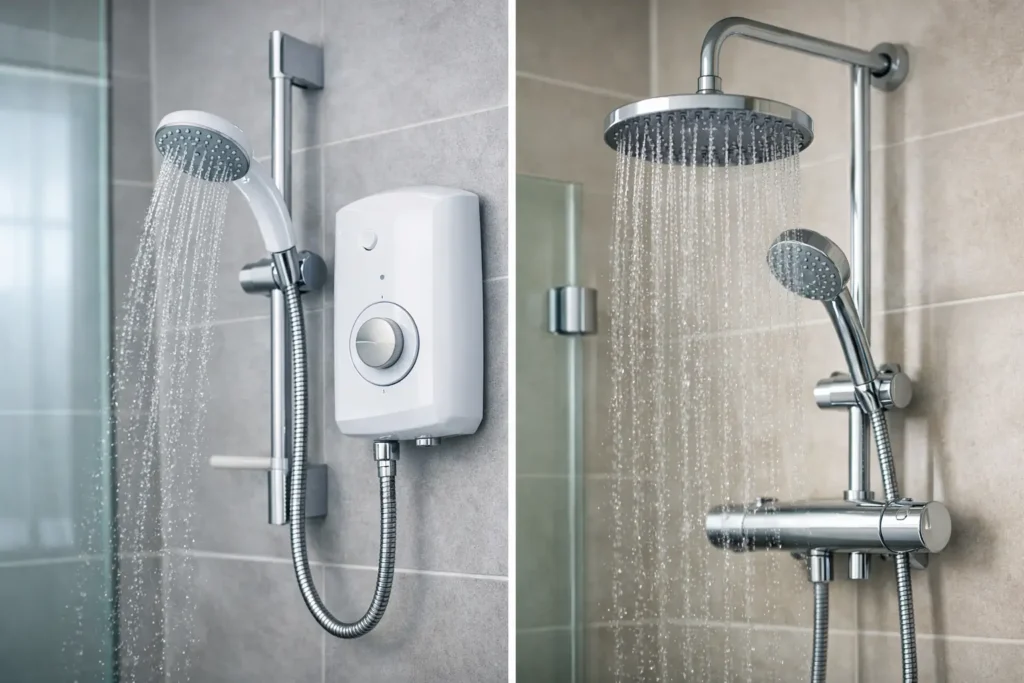
An electric shower heats cold water as it passes through the unit. It does not rely on your hot water cylinder or stored hot water, which makes it useful where hot water supply is limited or where you want a separate shower option that works independently.
A mixer shower takes hot and cold water supplies and blends them to reach the chosen temperature. It relies on your existing hot water system, so the shower experience is closely tied to how well that system performs and what water pressure is available.
That basic difference has a big effect on installation, performance, and day-to-day use. If you are choosing for a family bathroom, en suite, rental property, or staff washroom, those details matter more than the label on the front of the unit.
When an electric shower makes more sense
Electric showers are often a practical option where simplicity and independence are the priority. Because they only need a cold water supply and an electrical connection, they can be a good fit in homes where hot water capacity is limited or where you do not want the shower affected by someone running a tap elsewhere.
They are also useful in properties where you want a dependable shower without major changes to pipework. For landlords and letting agents, that can make them appealing. If a shower room needs a straightforward replacement and you want to keep installation work manageable, an electric model may be the cleaner solution.
There is a trade-off, though. Electric showers are usually more limited on flow than a good mixer shower. In colder weather, when the incoming mains water is colder, the unit has to work harder to heat it. That often means the flow drops if you still want the water hot enough to shower comfortably. So while they are practical, they do not always give the fuller, stronger shower some people expect.
They can also be affected by electrical issues, worn heating elements, scaled internal parts, or ageing components. If you have noticed fluctuating temperature, low flow, tripping electrics, or a unit that has simply become unreliable, it is often best to get it checked before it fails completely.
When a mixer shower is the better option
A mixer shower usually wins on showering experience when the property has decent water pressure and a suitable hot water system behind it. The flow is often stronger, the temperature control can feel more stable, and the overall result tends to feel more like the kind of shower people want in a main bathroom.
For households that use the shower heavily, that comfort can make a real difference. In hotels, guest accommodation, and higher-spec bathroom refurbishments, mixer showers are often preferred because they feel more substantial and less restricted.
That said, a mixer shower is only as good as the system feeding it. If hot water supply is inconsistent, if pressure is poor, or if pipework is not set up well, a mixer shower can disappoint. People sometimes replace an old shower with a new mixer unit and expect the problem to vanish, when the real issue is pressure, balance, or ageing plumbing in the background.
This is where honest advice matters. A more expensive shower is not automatically the better answer if the plumbing system cannot support it properly.
Water pressure changes the decision
If there is one factor that tends to settle the electric shower or mixer shower question, it is water pressure. Good pressure opens up more choice. Poor pressure narrows it quickly.
An electric shower works off the cold mains supply, so performance depends on what comes into the property and how the unit is rated. A mixer shower depends on both hot and cold supplies being delivered in a balanced and effective way. If one side is weak or the system is outdated, temperature and flow can suffer.
In some homes, especially older properties, there is no point choosing a shower based on looks alone. The water system has to be assessed first. That is particularly important if you are already dealing with complaints about weak flow, temperature swings, or a shower that becomes unusable whenever another tap is turned on.
Installation costs and disruption
Cost is always part of the decision, but the cheapest option at the start is not always the most cost-effective over time. An electric shower can be simpler to replace with another electric unit if the existing setup is suitable. That can keep labour and disruption down.
A mixer shower may involve more work, depending on the bathroom layout and pipework. If walls need opening, valves need replacing, or pressure issues need addressing first, the job can become more involved. On the other hand, if you are already renovating the bathroom or upgrading the plumbing, fitting the right mixer shower at that stage can make good sense.
It is also worth thinking beyond installation day. If the shower is for a rental property, guest room, or busy family bathroom, reliability matters. Frequent call-backs, tenant complaints, or repeated small faults soon wipe out any savings made by choosing the wrong setup.
Running costs and day-to-day use
People often ask whether electric showers are cheaper to run. The answer is not completely straightforward. Electric showers heat water on demand, which can be efficient in the sense that you are only heating the water you use for that shower. But electricity is generally more expensive than heating water through some wider household systems.
A mixer shower uses pre-heated hot water, so the running cost depends on how that hot water is produced and stored. For some homes, that works out well. For others, especially where hot water is limited or the cylinder empties quickly, it can become less convenient.
Daily use also matters. If several people shower back-to-back, an electric shower offers independence from stored hot water but may feel slower and less powerful. A mixer shower may feel better to use, but only if the hot water supply can keep up.
Common problems with both types
Neither type is fault-free. Electric showers can suffer from heating failure, poor temperature control, limescale build-up, pressure-related issues, and electrical faults. Mixer showers can develop thermostat problems, dripping valves, blocked heads, worn cartridges, and poor performance caused by pressure imbalance.
What matters is spotting the warning signs early. A small leak behind the wall, a stiff control, or a shower that has become unreliable should not be ignored. In homes, that can lead to water damage, mould and disruption. In commercial premises or rental properties, it can quickly become a complaint, a hygiene concern, or a bigger repair bill.
Which is better for your property?
If you want a straightforward, independent shower solution and your priority is practicality, an electric shower may be the better fit. If you want stronger flow and a more comfortable showering experience, and your water system can support it, a mixer shower is often the better long-term choice.
For landlords, the decision often comes down to reliability, ease of replacement, and minimising future maintenance issues. For homeowners, comfort and performance usually carry more weight. For businesses, the right answer depends on how often the shower is used and how disruptive downtime would be.
That is why there is no one-size-fits-all answer to electric shower or mixer shower. The best choice is the one that suits the property, the existing plumbing, and the way the bathroom is actually used.
If your current shower is underperforming, leaking, or failing altogether, getting proper advice now can save a lot of hassle later. HJZ Plumbing can help assess what will work best for your home or property and carry out tidy, dependable shower installation and repairs. To speak to a trusted local plumber, call 01482 236483 or visit www.hjzplumbing.com. A good shower should not be something you have to put up with – it should simply work when you need it.