A small damp patch beneath the kitchen sink or an occasional gurgle from a drain can be easy to put off. But these are often among the top signs of failing pipework, and waiting can turn a straightforward repair into damaged flooring, stained ceilings, mould growth or disruption for tenants, staff and customers.
Pipework rarely fails without warning. Whether you look after a family home, rental property, café, office or hotel, knowing what to look for gives you the chance to act before water finds its way into the structure of the building. Some faults are urgent, while others need an inspection and planned repair. The key is not to ignore a pattern that is getting worse.
Top signs of failing pipework to watch for
Damp patches, staining and peeling finishes
A new brown ring on a ceiling, bubbling paint, lifting wallpaper or a damp patch on a wall should never be treated as just a decorating issue. Water can travel along pipes, joists and surfaces, so the mark you can see is not always directly beneath the leak.
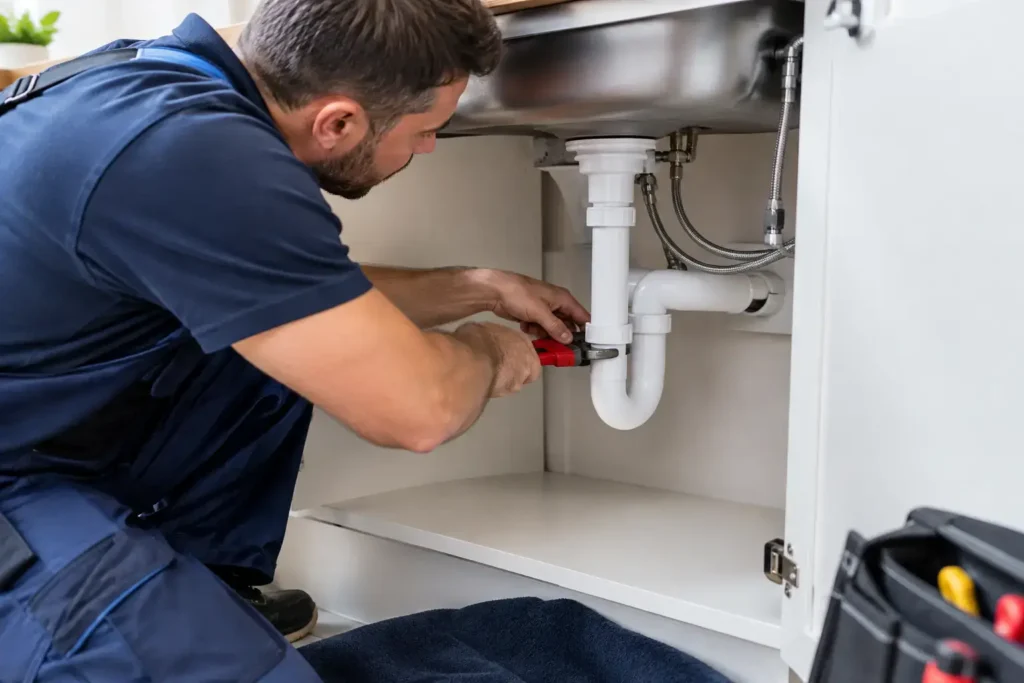
Check around bathrooms, kitchens, utility rooms and any room below them. Cupboards beneath sinks are another common place for slow leaks to develop unnoticed. A minor joint leak may only produce a little moisture at first, but over time it can damage cabinet units, timber, plaster and flooring.
If a ceiling is bulging, actively dripping or feels soft, keep clear of the area where possible and arrange urgent help. Do not puncture the ceiling yourself. There may be more water above it than expected.
A drop in water pressure
If one tap or shower has poor pressure, the cause may be local to that fitting. If several outlets have become weaker, particularly when the system used to perform normally, damaged or restricted pipework is one possible cause.
Corrosion inside older pipes can narrow the route water takes. A hidden leak may also reduce pressure, especially if the issue comes and goes or is more noticeable at certain times. It depends on the layout of the property, so pressure loss does not automatically mean a pipe has failed. However, it is worth investigating when it appears alongside damp areas, unusual sounds or higher water use.
For landlords and commercial premises, reports of weak showers or slow-filling toilets from more than one occupant are worth taking seriously. Repeated small complaints can point to a wider issue rather than several unrelated faults.
Unexplained increases in water use
A water bill that rises despite no obvious change in usage can be one of the clearest warnings of a concealed leak. This is particularly relevant in vacant rentals, holiday lets, schools, shops and offices, where water may be escaping for days before anyone notices visible damage.
If it is safe to do so, turn off taps and appliances that use water, then check whether the water meter continues to register use. This can indicate water is leaving the system somewhere it should not. It will not locate the problem, but it provides a useful reason to call for a professional inspection.
Do not assume every increase is a pipe issue. A leaking toilet, dripping tap or faulty appliance connection can also waste a surprising amount of water. Each still needs attention before costs and damage build up.
Persistent musty smells or mould
A musty smell in a bathroom, under-stairs cupboard, kitchen unit or commercial washroom may be caused by trapped moisture from a slow leak. You may not see water immediately, particularly if pipework is boxed in, beneath floors or inside walls.
Mould around sealant can sometimes be linked to poor ventilation and everyday condensation. Mould that keeps returning in one spot, spreads beyond splash areas or appears alongside staining is different. It can indicate that dampness is coming from behind the surface, rather than simply from steam in the room.
Addressing the visible mould without finding the source only treats the symptom. A proper repair starts with identifying where the moisture is coming from and making sure the area can dry fully afterwards.
Discoloured water, odd tastes or metallic smells
Water that runs brown, yellow or cloudy after the tap has been unused can sometimes be caused by disturbance in the supply or work being carried out nearby. If it clears quickly and does not return, it may not be a fault within your property.
Repeated discolouration, metallic-tasting water or rusty particles, however, can suggest corrosion within older pipework. This deserves a prompt assessment, particularly where pipework is visibly aged or other problems are occurring. Do not rely on flushing the tap repeatedly as a long-term answer.
Noises that were not there before
Pipes can make some normal sounds as water moves through them, but new banging, whistling, rattling or frequent ticking should be checked. Banging can happen when water flow stops suddenly, while vibrating pipework may be poorly secured or affected by changes in pressure.
A faint hissing sound behind a wall, beneath a floor or inside a cupboard is more concerning, especially when no tap is running. It may indicate water escaping under pressure. In an occupied business, unusual noises near toilets, kitchens or service areas should be reported quickly rather than left until the next maintenance visit.
Repeated blockages or slow drainage
Not every blocked drain means failing pipework. Fat, food waste, wipes, hair and unsuitable products commonly cause local blockages. But drains that block repeatedly, smell unpleasant or empty slowly despite sensible use may point to a damaged, misaligned or deteriorating waste pipe.
Look out for toilets that gurgle when a basin drains, water backing up in a shower tray, or several fixtures draining slowly at once. These signs can suggest the issue is further along the pipework than a simple trap blockage. In restaurants, cafés and takeaways, acting early is particularly important because drainage failures can quickly affect hygiene and trading.
Why small pipe faults become expensive
A pipe does not need to burst dramatically to cause serious damage. A slow leak can soak insulation, weaken timber, damage electrics nearby and create ideal conditions for mould. By the time a stain appears in a downstairs room, water may have been escaping for some time.
There is also a practical disruption cost. A failed pipe in a rental property can lead to unhappy tenants and avoidable void works. In a shop, school or hospitality venue, an out-of-order toilet or flooded washroom affects people immediately. Early repairs are usually less intrusive because access can be planned before materials and finishes become saturated.
What to do if you suspect a leak
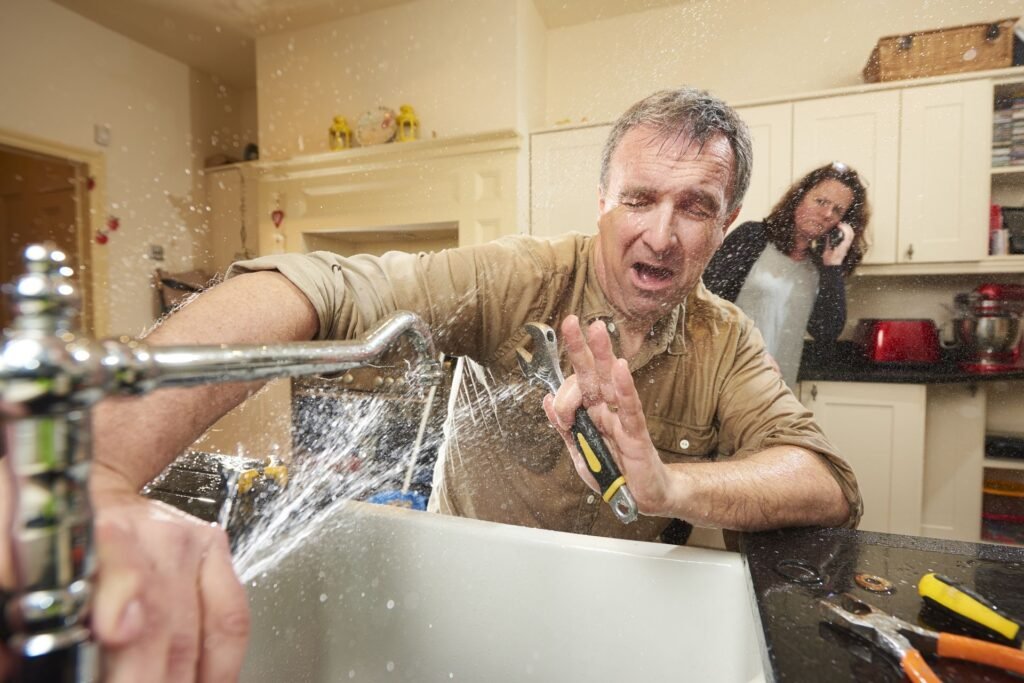
Start by limiting the water where you can. If water is actively escaping, turn off the local isolation valve if you know where it is and it is safe to reach. If you cannot stop the leak locally, use the main stop tap. Every property owner and responsible manager should know its location and ensure it can be operated.
Move belongings away from the affected area and catch drips with a bucket or towels where safe. Avoid using electrical appliances near standing water, and do not remove boxing, lift flooring or cut into walls in an attempt to find the pipe. That can make the repair larger, create further damage and conceal useful evidence of the original fault.
Take clear photos of visible staining, leaks or water damage, especially in managed properties. Then arrange an inspection. A plumber can identify whether the problem is a failed joint, corroded section, damaged waste pipe, faulty fitting or a drainage issue, and recommend the least disruptive sensible repair.
Repair, replace or monitor?
The right solution depends on the age and condition of the pipework, how accessible it is, and whether this is a one-off problem or part of a pattern. A single loose connection beneath a basin may only need a tidy repair. Repeated leaks on old pipe runs, widespread corrosion or recurring blockages may make targeted replacement better value than repeated callouts.
Honest advice matters here. Replacing pipework unnecessarily creates cost and disruption, but repeatedly patching a deteriorating system can become a false economy. A good assessment explains what has failed, what needs attention now and what can reasonably be planned for later.
If you have noticed damp, pressure changes, strange pipe noises or recurring drainage problems, do not wait for a ceiling to drip or a business washroom to fail at the worst possible moment. Contact HJZ Plumbing on 01482 236483 or through www.hjzplumbing.com for clear advice and practical plumbing support.