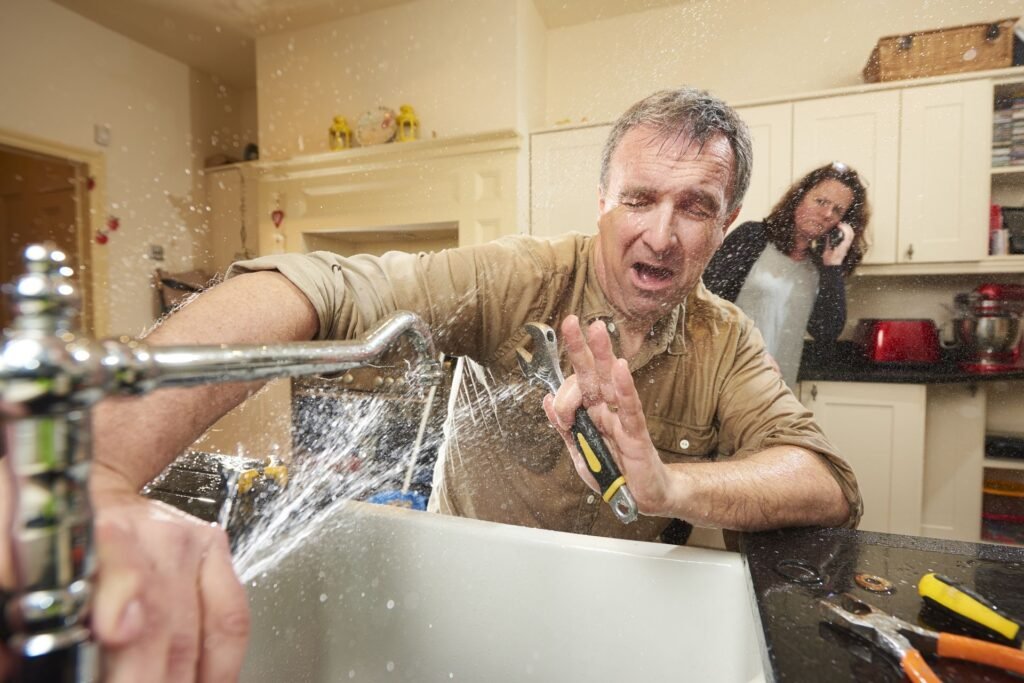
A tenant reports water pooling beneath the kitchen sink, a toilet that will not flush, or a shower that has suddenly gone cold. The immediate question is usually who needs to arrange the repair. But can landlords charge plumbing repairs back to a tenant? Sometimes, yes – but only where there is good evidence that the tenant caused the damage or failed to take reasonable care. In most ordinary cases of wear, age, failed fittings or an existing defect, the landlord remains responsible.
For landlords and letting agents, getting this right matters. Delaying a repair can turn a small leak into damaged units, flooring and ceilings. For tenants, an unfair charge can create a dispute that was avoidable with clear reporting, photos and a prompt professional inspection.
Can landlords charge plumbing repairs to tenants?
In England, landlords normally have a legal duty to keep the structure and exterior of a rented home in repair, as well as installations for water, sanitation and heating water. In practical terms, this commonly includes supply pipes, waste pipes, sinks, baths, toilets, basins and fixed plumbing installations.
A landlord cannot simply pass on the cost because a repair is inconvenient or expensive. A dripping tap caused by a worn washer, a leaking pipe hidden behind a kitchen unit, a failed toilet cistern or a blocked drain caused by an underlying pipe fault will usually be the landlord’s responsibility.
The position changes if the issue was caused by a tenant, a member of their household or a visitor. If someone has damaged a basin, flushed an unsuitable item repeatedly, forced a tap, or ignored a clearly reported leak until it caused further damage, the landlord may have grounds to recover reasonable costs. The key words are caused and reasonable. There should be evidence, not assumptions.
This is general information for residential lets in England rather than legal advice. The tenancy agreement, the precise circumstances and the evidence available can all affect the outcome.
When a plumbing bill may fairly be charged
A charge is more likely to be reasonable where a plumber can identify a clear tenant-caused problem. For example, a blockage may be linked to wipes, sanitary products, cooking fat, excessive food waste or other items that should not have gone down a toilet or drain. Damage to a toilet seat, cracked basin or broken shower fitting may also be recoverable if it was caused by misuse rather than normal use.
Even then, landlords should separate the cost of putting right tenant damage from improvements or long-standing defects. If an old waste pipe fails while a blockage is being cleared, it would not be fair to charge the tenant for replacing pipework that had reached the end of its working life. Equally, replacing a basic worn tap with a more expensive upgraded model may not be a cost that can simply be passed on in full.
A fair approach looks at the actual repair required, the age and condition of the item, and whether the tenant had a reasonable chance to prevent the problem. An item that has been used daily for years will naturally wear out. That is not the same as negligence.
Lack of reporting can complicate matters
Tenants should report leaks, persistent drips, slow drainage and faulty toilets as soon as they spot them. A landlord is not expected to fix a problem they have not been told about. If a tenant knows that water is escaping and leaves it for weeks, resulting damage could become a point of dispute.
However, a landlord still needs to show that the delay made a real difference to the cost or damage. A tenant should not automatically be blamed for a concealed leak or a fault that was not obvious.
What landlords should not charge for
Routine maintenance remains part of managing a rental property. It includes the normal failure of components and defects that were already present or developing through ordinary use. Landlords should generally expect to cover repairs to leaking pipe joints, defective stop taps, worn seals, failed cistern parts, loose connections and ageing sanitaryware, unless there is clear evidence of damage.
It is also risky to rely on a broad clause in a tenancy agreement stating that the tenant is responsible for all plumbing repairs. A contract term does not remove statutory repair obligations or make an unfair charge fair. Clear tenancy terms can help set expectations around care, reporting faults and avoiding drain misuse, but they should not be used as a substitute for proper maintenance.
Where a tenant is responsible, the amount sought should reflect the loss. Betterment is a common source of disagreement. If a ten-year-old tap is damaged beyond repair, the landlord may not be entitled to charge the full cost of a premium new replacement as though the old tap were brand new.
Deposits, invoices and evidence
If a landlord intends to make a deduction from a tenancy deposit, good records are essential. Keep the check-in inventory, dated photographs, the tenant’s fault report, plumber’s findings, quotations and the final invoice. A brief explanation from the plumber of what caused the issue can be particularly useful.
The tenant should be told what has happened and given a clear breakdown of the proposed charge. A deposit cannot simply be retained without following the relevant deposit protection process, and tenants can challenge deductions through the scheme’s dispute process. Trying to resolve matters openly before the tenancy ends is often quicker and less stressful for everyone.
For ongoing tenancies, landlords should be cautious about demanding immediate payment for an alleged repair without first establishing responsibility. A calm conversation, an inspection and written evidence are usually far more productive than making accusations while a bathroom or kitchen is out of use.
A practical process when a plumbing fault is reported
Speed protects the property and reduces disruption. Ask the tenant for a short description, photos or video where safe, and the time the problem was first noticed. If water is actively leaking, advise them to use the stop tap if they know where it is and can do so safely, then arrange an urgent visit.
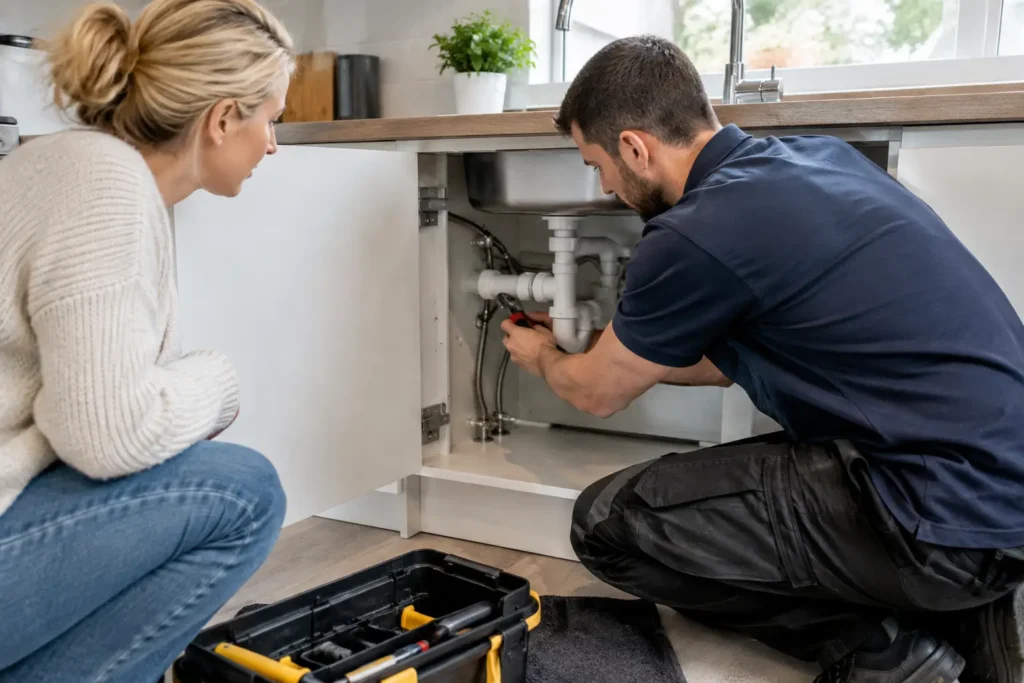
A competent plumber can assess whether the fault is ordinary wear, an installation problem, accidental damage or a blockage caused by unsuitable material. That inspection should come before deciding who pays. It also prevents a small problem becoming damp, mould, damaged décor or a costly insurance matter.
Landlords should give proper notice before routine access and agree a suitable appointment wherever possible. In a genuine emergency, such as uncontrolled water escape or a serious sanitation issue, a faster response may be necessary to prevent damage and protect occupants.
Preventing repeat plumbing disputes
The best time to avoid an argument about a repair is before the tenancy begins. Make sure tenants know where the stop tap is, how to report a fault, and what must not be flushed or poured into drains. Provide a simple written guide with the inventory, particularly where a property has older plumbing or pump-assisted showers.
Regular checks between tenancies are equally worthwhile. Test taps, toilets, waste pipes, shower seals and under-sink connections. A minor drip or slow cistern fill is inexpensive to address early, while a leak left behind a cupboard can quietly cause extensive damage.
For landlords and agents across Hull and East Yorkshire, a reliable local plumber also provides a useful independent record when responsibility is unclear. HJZ Plumbing can inspect the issue, explain the likely cause in plain English and carry out tidy repairs that get a tenant’s home back to normal as quickly as possible.
When water is escaping, a toilet is unusable or a blocked drain is affecting hygiene, do not let uncertainty over the bill delay the repair. Contact HJZ Plumbing directly on 01482 236483 for practical, prompt help.