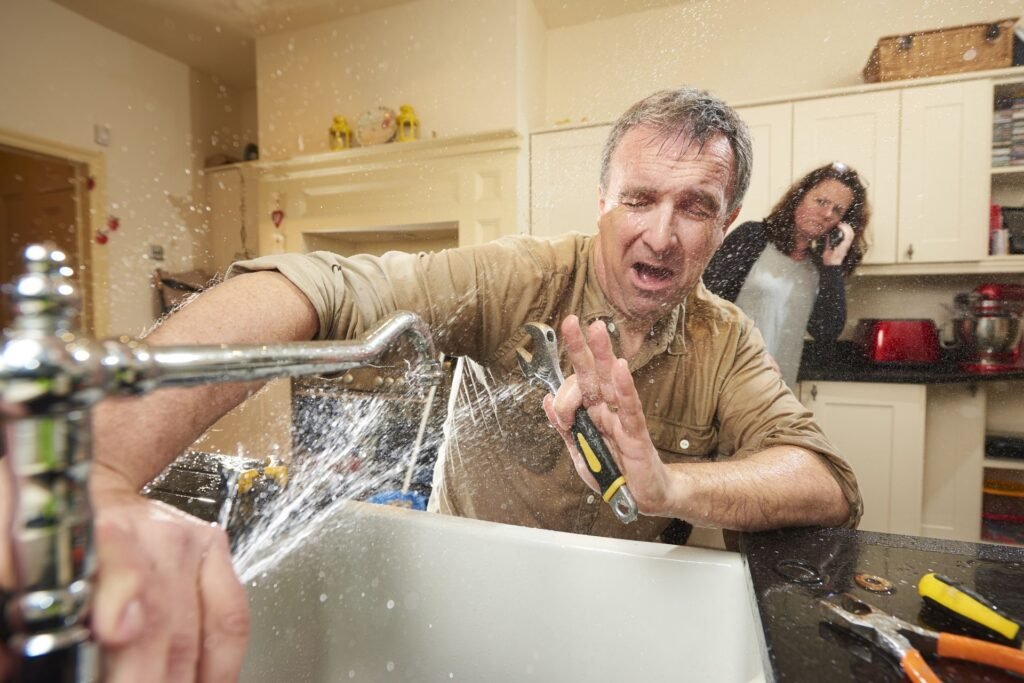
A small drip under a sink rarely stays small for long. What starts as a loose fitting or worn washer can become damaged units, stained ceilings, unhappy tenants or a business forced to shut a washroom out of use. That is why plumbing maintenance Hull property owners rely on is not about overcomplicating things. It is about spotting wear early, fixing faults properly and avoiding the kind of disruption that always seems to happen at the worst possible time.
For homes, rented properties and busy commercial premises, regular plumbing attention saves money in the long run. It also cuts down the stress of emergency callouts, water damage and repeated faults that never seem fully resolved. In a city with a mix of older housing, newer developments and occupied business premises, a practical maintenance approach makes a real difference.
Why plumbing faults escalate so quickly
Most plumbing problems give some warning before they turn urgent. A toilet that takes longer to refill, a shower with reduced pressure, a slow-draining sink or a radiator that stays patchy and cold are all signs that something is not quite right. The trouble is that these issues are easy to ignore when everything is still more or less working.
The risk comes when minor wear meets daily use. A small leak around a waste pipe can soak cupboards and flooring over time. A partially blocked drain can suddenly back up when usage increases. A dripping tap may seem harmless, but it points to worn parts that often lead to larger repair needs elsewhere. In tenanted or commercial properties, delay also creates avoidable complaints, hygiene concerns and disruption for the people using the building every day.
Good maintenance is not about replacing things that do not need replacing. It is about checking the parts most likely to fail, listening to what the property is already telling you and acting before a simple repair turns into a much bigger job.
What plumbing maintenance in Hull should actually cover
The most useful maintenance work focuses on the fittings and pipework that see constant use. Kitchens, bathrooms, cloakrooms, staff toilets and utility areas usually show the first signs of trouble because they work hardest.
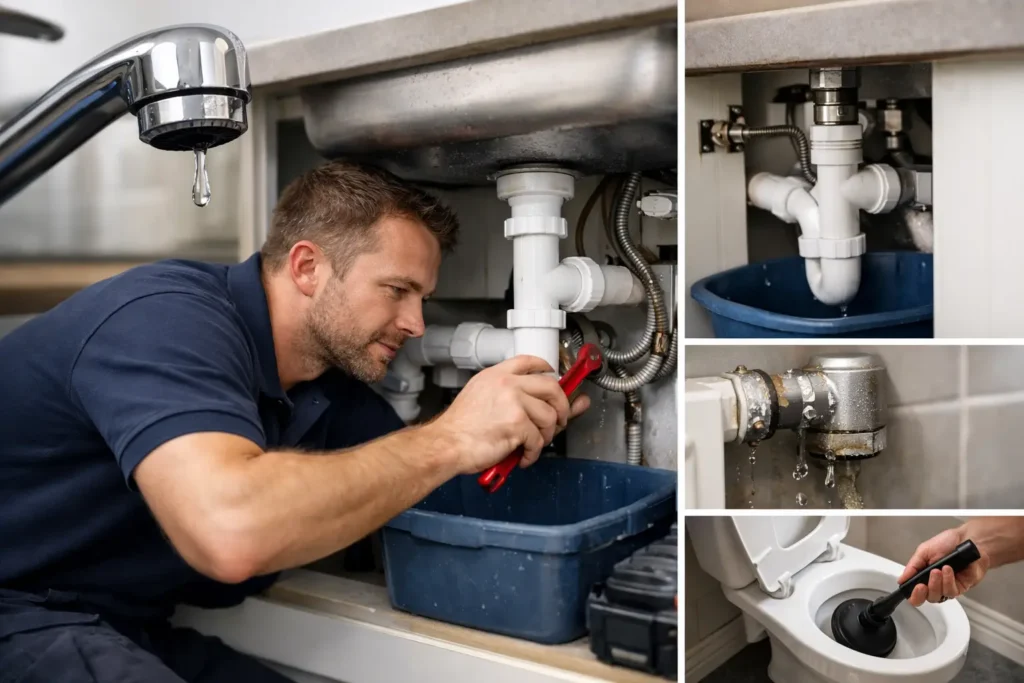
A sensible visit often includes checking taps for drips or stiffness, toilets for flushing problems or hidden leaks, showers for poor flow or failing seals, and visible pipework for corrosion, movement or water marks. Waste pipes and drains may need attention if there are early signs of blockage, slow draining or odours. Radiators and heating pipework can also benefit from inspection where cold spots, noisy circulation or leaks around valves are becoming noticeable.
For landlords and letting agents, maintenance is also about keeping properties serviceable between tenancies and reducing the chance of urgent complaints during occupancy. For restaurants, cafés, hotels and shops, it is about keeping customer and staff facilities working properly while protecting the property from downtime and damage.
The most common warning signs to act on
Some faults are obvious. Others are easy to dismiss until they become expensive. If you notice staining under sinks, mould around seals, repeated plunging of toilets, bad smells from drains, noisy pipework or a sudden change in water pressure, it is worth getting the system checked.
The same applies if a shower temperature becomes inconsistent, a toilet runs after flushing, or a tap starts dripping despite being fully turned off. In commercial settings, even a minor plumbing issue can affect staff welfare, customer impression and cleaning standards. In rental properties, what seems minor to an owner can feel urgent to a tenant living with it every day.
There is also the question of hidden damage. A leak behind boxing, under flooring or inside a unit can continue unnoticed until materials swell, plaster discolours or the smell of damp becomes obvious. By that point, the plumbing repair may still be straightforward, but the remedial work around it is far more costly.
Plumbing maintenance Hull landlords and businesses should prioritise
Not every property needs the same maintenance schedule. A family home may only need occasional checks unless there is an active issue or an older plumbing system. A rental property with frequent changeovers, or a business with high daily usage, usually needs a more proactive approach.
Landlords benefit most from checking problem areas before a new tenancy starts and dealing with reported faults quickly. Small jobs left unresolved often come back as larger complaints later. A leaking toilet, slow kitchen waste or poor shower performance can affect tenant satisfaction and lead to avoidable wear in the property.
Commercial premises need a slightly different view. In a café, restaurant, hotel, office or school, plumbing affects hygiene, access to toilets, staff comfort and the general running of the building. Planned maintenance helps avoid the awkward situation where a fault has to be dealt with during trading hours or while the premises are occupied. It also helps property managers stay ahead of repeated callouts for the same issue.
Older properties need a practical eye
Hull and the surrounding area include many older homes and buildings, and older plumbing systems do not always fail in obvious ways. You may find outdated pipework, tired valves, worn seals, previous repairs that were only ever meant as a temporary fix, or layouts that make certain fittings more vulnerable to pressure changes and blockages.
That does not automatically mean full replacement is needed. Often, targeted maintenance and sensible upgrades can keep a system reliable without unnecessary expense. It depends on the condition of the existing plumbing, how the property is used and whether problems are isolated or recurring.
A good plumber will be honest about that balance. Sometimes a straightforward repair is the right answer. Sometimes it makes more sense to replace a worn fitting now rather than paying for repeated visits and ongoing inconvenience.
Why quick fixes often cost more later
Many plumbing problems are made worse by temporary repairs that were never meant to last. Sealants applied where proper parts are needed, makeshift connections under sinks or repeated chemical drain treatments can all mask the real issue without solving it.
This is where professional maintenance earns its value. The aim is not simply to stop the immediate symptom. It is to identify why the problem has happened and make a repair that holds up to normal use. That matters in a family kitchen, and it matters even more in a busy commercial washroom or a tenanted property where reliability is essential.
It also helps preserve the surrounding space. A tidy, proper repair protects cupboards, flooring, decoration and fixtures from the repeated dampness and wear that often follows a patch-up job.
What to expect from a dependable local plumber
When people need maintenance work, they usually want the same things. They want someone to turn up when agreed, explain the issue clearly, keep the property tidy and recommend the most sensible fix rather than the most expensive one.
That matters just as much for planned maintenance as it does for urgent repairs. If a plumber can spot the cause of a recurring blockage, advise whether a faulty shower can be repaired or replaced, and deal with the work with minimal disruption, the whole process becomes much easier for the property owner or manager.
Clear communication also matters. If a job needs to be staged, if access is required to a particular area, or if the repair should be dealt with sooner rather than later, that should be explained in plain English. People do not need jargon. They need honest advice and a practical plan.
When maintenance becomes urgent
There is a line between routine maintenance and an emergency, and it can be crossed quickly. If water is actively leaking, a toilet is unusable, a drain is backing up, or a plumbing fault is affecting trading, tenants or daily household use, it is no longer something to leave for later.
The safest approach is to act as soon as a fault starts affecting the property or the people in it. Fast response helps limit water damage, hygiene issues and avoidable disruption. It also reduces the chance that a simple repair will spread into joinery, flooring or decoration costs.
For occupied homes and business premises, that speed matters. People need toilets that flush, showers that work, taps that shut off properly and drains that clear as they should. When those basics fail, the impact is immediate.
Keeping plumbing problems from returning
The best maintenance result is not just a completed repair. It is confidence that the same fault is less likely to come back next month. That comes from careful diagnosis, quality workmanship and attention to the wider condition of the system rather than just the visible symptom.
If you are seeing repeat leaks, regular blockages, ongoing poor pressure or recurring issues with toilets, taps, showers or radiators, it is worth getting them looked at properly. Early action is usually simpler, cleaner and less expensive than waiting until the damage spreads.
If you need reliable plumbing maintenance in Hull for a home, rental property or commercial premises, contact HJZ Plumbing on 01482 236483 or through www.hjzplumbing.com. You will get clear advice, a fast response when it matters, and practical repair work that helps keep your property working as it should.