A bathroom refit rarely starts as a simple cosmetic upgrade. More often, it begins with a leaking shower tray, loose tiles, a toilet that never quite flushes properly, or signs of water damage that have been ignored for too long. If you are looking for a bathroom fitter that Hull homeowners, landlords and business owners can rely on, it helps to know what separates a tidy, lasting job from one that causes weeks of stress.
Bathrooms work hard. In a family home they take daily wear from showers, baths, splashes and constant use. In rental properties and commercial premises, the pressure is often greater. A poorly fitted bathroom does not just look untidy. It can lead to hidden leaks, damaged flooring, mould, recurring call-outs and avoidable expense.
Why choosing the right bathroom fitter in Hull matters
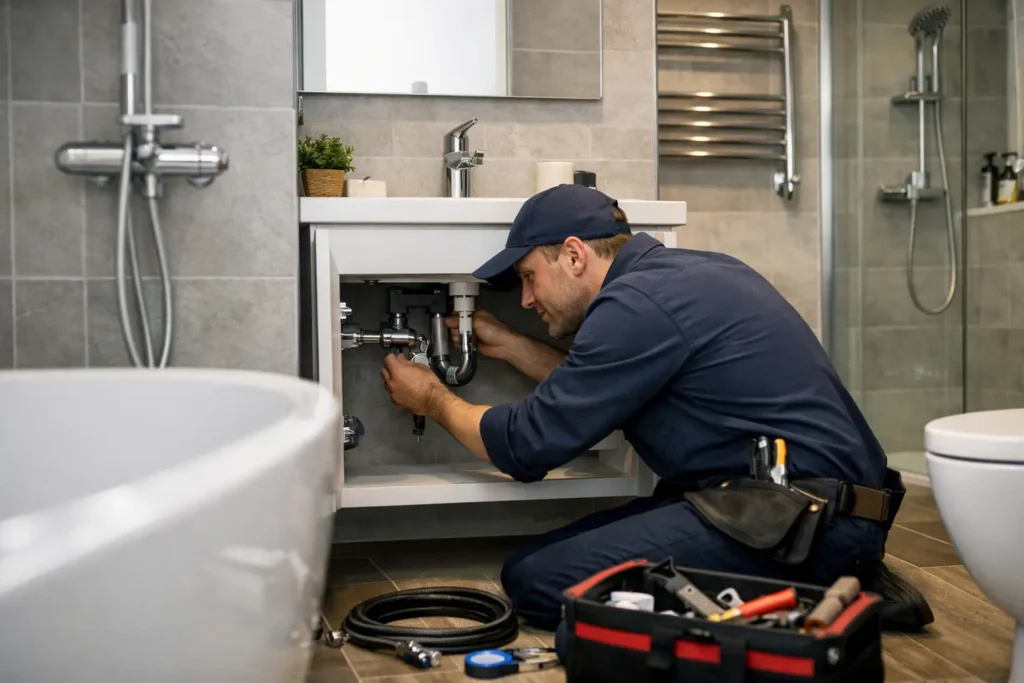
Bathroom fitting is not just about putting in a new suite and sealing the edges. It involves pipework, waste connections, water pressure, drainage falls, wall preparation, flooring levels and practical decisions about how the room will actually be used. If any part of that is rushed, the problems usually show up later.
That might mean a shower that drains slowly because the waste has not been set correctly. It could be a vanity unit fitted neatly on the outside but hiding awkward pipework that becomes difficult to access when something needs repair. In other cases, the finish may look good for a few weeks, then sealant fails, water gets behind the tray or bath, and damage starts spreading to the room below.
This is why experience matters. A dependable bathroom fitter plans for the problems you cannot see yet, not just the final appearance.
What a good bathroom fitter Hull customers hire should actually do
A reliable fitter should start by understanding the room, the existing plumbing and how you need the bathroom to function. That sounds obvious, but it is where many jobs go wrong. A smart design on paper can still be the wrong choice if it leaves poor access, awkward cleaning gaps or fittings that do not suit the people using them.
For example, a landlord may need a practical, durable finish that is easy to maintain between tenancies. A homeowner may want a more comfortable layout for a growing family or better accessibility for an older relative. A café, office or small hotel may need the work done with minimal disruption and a clear schedule.
The fitter should also be honest about the condition of what is already there. Old pipework, damaged floors, failed waterproofing and worn wastes are common finds once the old bathroom comes out. A trustworthy tradesperson will explain what needs replacing, what can stay, and where spending a little more now may prevent a much larger bill later.
Common bathroom fitting issues that cause bigger problems later
Not every bathroom problem is dramatic at first. Some of the most expensive repairs begin with small faults that were missed or dismissed during installation.
Poor sealing is one of the biggest. If water escapes around a bath, shower screen or tray edge, it can soak into walls and flooring long before visible damage appears. By the time staining, swelling or mould is obvious, the repair may involve more than just fresh sealant.
Bad drainage is another. Slow wastes, unpleasant smells or water backing up in a shower tray often point to poor installation, partial blockages or incorrect pipe runs. These issues are frustrating in a home and even more disruptive in a commercial setting where toilets and washrooms need to stay usable.
Then there is access. It is easy to box pipework in too tightly or fit units in a way that looks neat but makes future repairs much harder. A practical fitter thinks beyond installation day. If a valve, trap or connection fails later, can it be reached without damaging the room?
Planning a bathroom refit properly
A good bathroom project starts with practical questions, not just colours and finishes. Who uses the room? How often? Is storage more important than open floor space? Do you need a bath, or would a larger shower suit the property better? Is the current layout working, or are you trying to force new fittings into an awkward arrangement?
Sometimes keeping key items in roughly the same place is the sensible option because it reduces pipework changes and keeps costs under control. In other cases, moving a toilet, basin or shower can improve the room enough to justify the extra work. It depends on the layout, the building and the budget.
This is where clear advice matters. You want straightforward recommendations, not pressure to choose the most expensive route. The best results usually come from balancing appearance, practicality and reliability.
Homes, rentals and business premises all need different approaches
A bathroom in an owner-occupied home often allows more flexibility on style and finish. People are thinking about comfort, storage and everyday convenience. In rented properties, the priority is often durability, easy cleaning and reducing the risk of future maintenance issues.
For commercial premises, the pressure is different again. A faulty toilet in a staff area, a damaged washroom in a café, or a shower issue in guest accommodation can quickly affect operations, hygiene and customer experience. In those settings, timing, reliability and tidy workmanship matter just as much as the finished look.
Signs you may need more than a cosmetic update
Some bathrooms are ready for a straightforward refresh. Others need more substantial work beneath the surface. If tiles are coming loose, floors feel soft underfoot, water pressure has changed, pipework looks dated, or there is repeated mould around fixtures, there may be underlying faults that need addressing first.
Repeated leaks are a clear warning sign. So are stains on ceilings below, damaged skirting boards outside the bathroom, or musty smells that do not go away. These problems are not always caused by one major burst. Often, they come from smaller leaks that have been left to develop over time.
A careful fitter will not cover these issues up. They will deal with the cause before installing new fixtures on top of old problems.
How to choose a dependable local bathroom fitter
Start with communication. If someone is hard to pin down before the work begins, that usually does not improve once the job is underway. You should expect clear explanations, realistic timescales and honest advice about what the work involves.
It also helps to look for a fitter who understands both installation and the repair side of plumbing. That practical experience makes a difference when hidden faults appear, because bathrooms rarely come apart without revealing something unexpected.
You also want someone who respects the property. Bathroom work can be disruptive by nature, but it should still be carried out carefully and tidily. Floors should be protected where possible, waste removed properly, and the working area left safe and manageable at the end of the day.
Questions worth asking before work starts
Ask how issues such as damaged flooring, outdated pipework or drainage problems would be handled if discovered during the job. Check whether the proposed layout makes future maintenance easy. Confirm timescales and what level of disruption to expect.
These are not awkward questions. They are sensible ones. A good fitter should be comfortable answering them in plain English.
The value of acting early
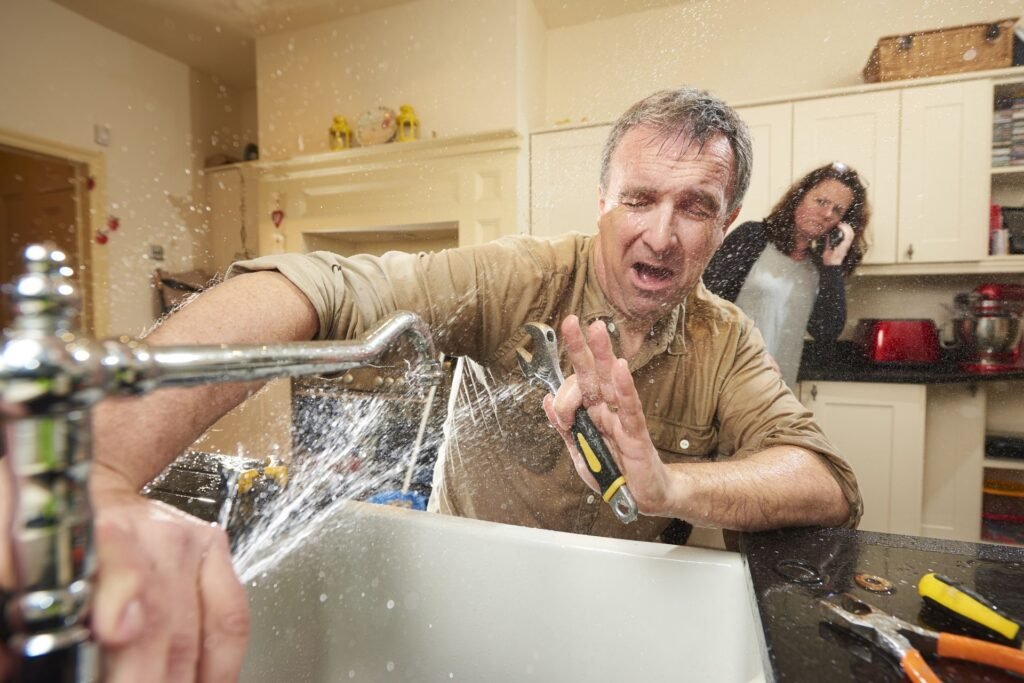
Many bathroom enquiries begin after a minor issue has become impossible to ignore. A dripping shower, cracked tray, loose tap or persistent leak under a basin may seem manageable for a while, but bathrooms are unforgiving spaces when water starts getting where it should not.
Acting early usually means more options, less disruption and lower overall cost. Leave it too long and a repair may turn into replacement, with damage spreading into walls, floors or neighbouring rooms.
For landlords and property managers, early action also helps avoid tenant complaints, emergency call-outs and void period repairs under time pressure. For businesses, it reduces the chance of washroom failures affecting staff, customers or trading.
A bathroom should work properly every day
A well-fitted bathroom is not just about appearance. It should drain properly, clean easily, stand up to daily use and give you confidence that there are no hidden issues behind the tiles or beneath the floor. Good installation is about getting the basics right and finishing the room properly, not cutting corners that become somebody else’s problem later.
If you need a reliable bathroom fitter in Hull or practical advice on a leaking, outdated or poorly performing bathroom, contact HJZ Plumbing directly on 01482 236483 or through www.hjzplumbing.com. Whether the issue is urgent or you are planning improvement work, getting clear advice early can save a lot of disruption later. A bathroom does not need to be fancy to be good, but it does need to be fitted properly.